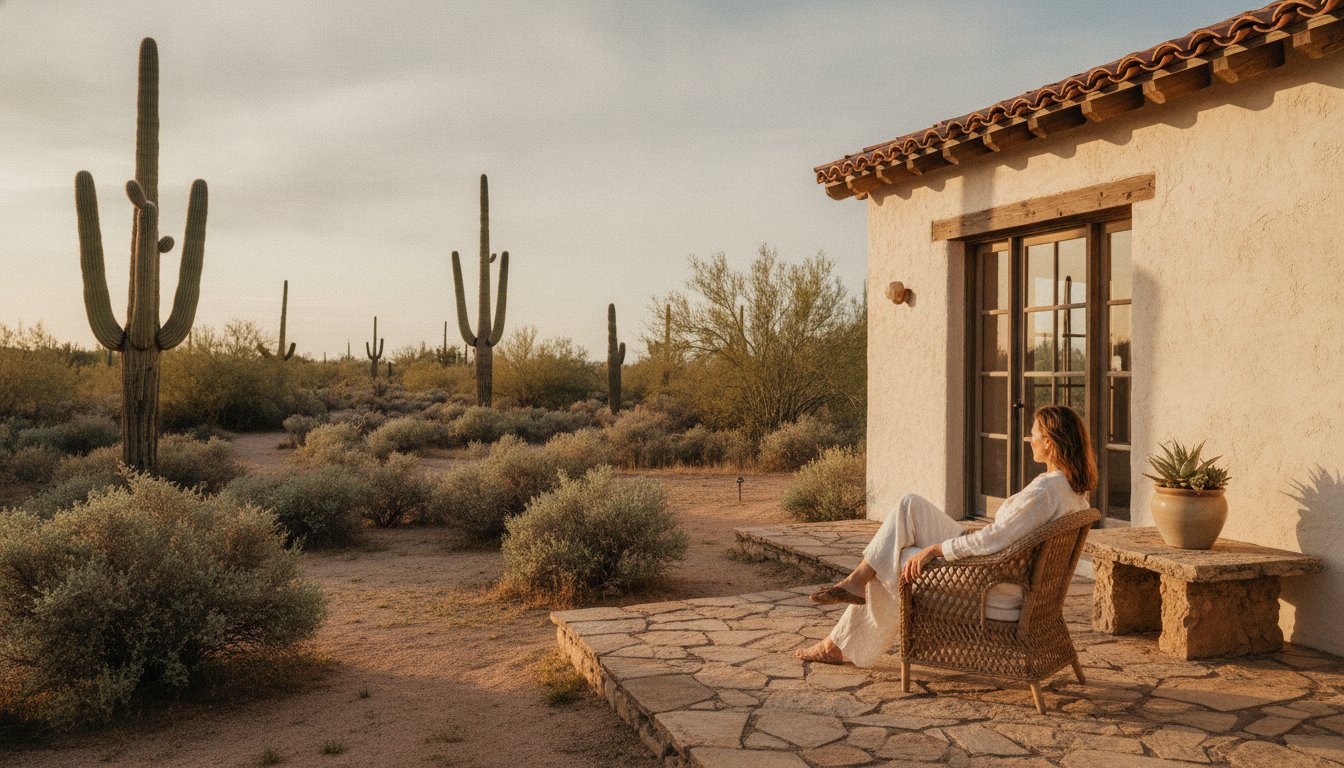

Why is it that we often return from a week of “getting away from it all” feeling more depleted than when we left? You aren’t alone in feeling that traditional vacations have become just another task on a never-ending to-do list. With wellness tourism projected to reach $1.4 trillion by 2027, the focus has shifted from mere pampering to the profound need for a nervous system retreat. This new frontier of wellness acknowledges that true restoration doesn’t come from a packed schedule of activities. It comes from an environment of atmospheric safety where your body can finally stop scanning for threats and start the quiet work of healing.
We understand the heavy toll of sensory overload and the persistent hum of digital environments. In this trend analysis, you’ll discover why nervous system regulation is the most critical health investment you can make in 2026. We’ll explore how to identify a sanctuary that offers more than just a bed, but a curated experience of passive regulation and heritage-rich grounding. You’ll learn the difference between a simple spa day and a transformative shift from “fight or flight” to a “rest and digest” state. By the end, you’ll have the practical insights to choose a retreat that provides lasting tools for stress management and a sense of deep, enduring sanctuary.
Key Takeaways
- Understand the 2026 shift from high-intensity wellness programs toward passive regulation and atmospheric safety.
- Learn how a specialized nervous system retreat utilizes the Vagus nerve to expand your window of tolerance against chronic stress.
- Identify the essential pillars of a restorative environment, focusing on sensory input reduction and digital detoxification.
- Discover why private estates and historical architecture provide the grounding sense of permanence required for deep emotional repair.
- Explore how the “gracious host” philosophy eliminates decision fatigue, allowing your body to transition seamlessly into a rest and digest state.
The Rise of Neuro-Wellness: Why Nervous System Retreats are Essential in 2026
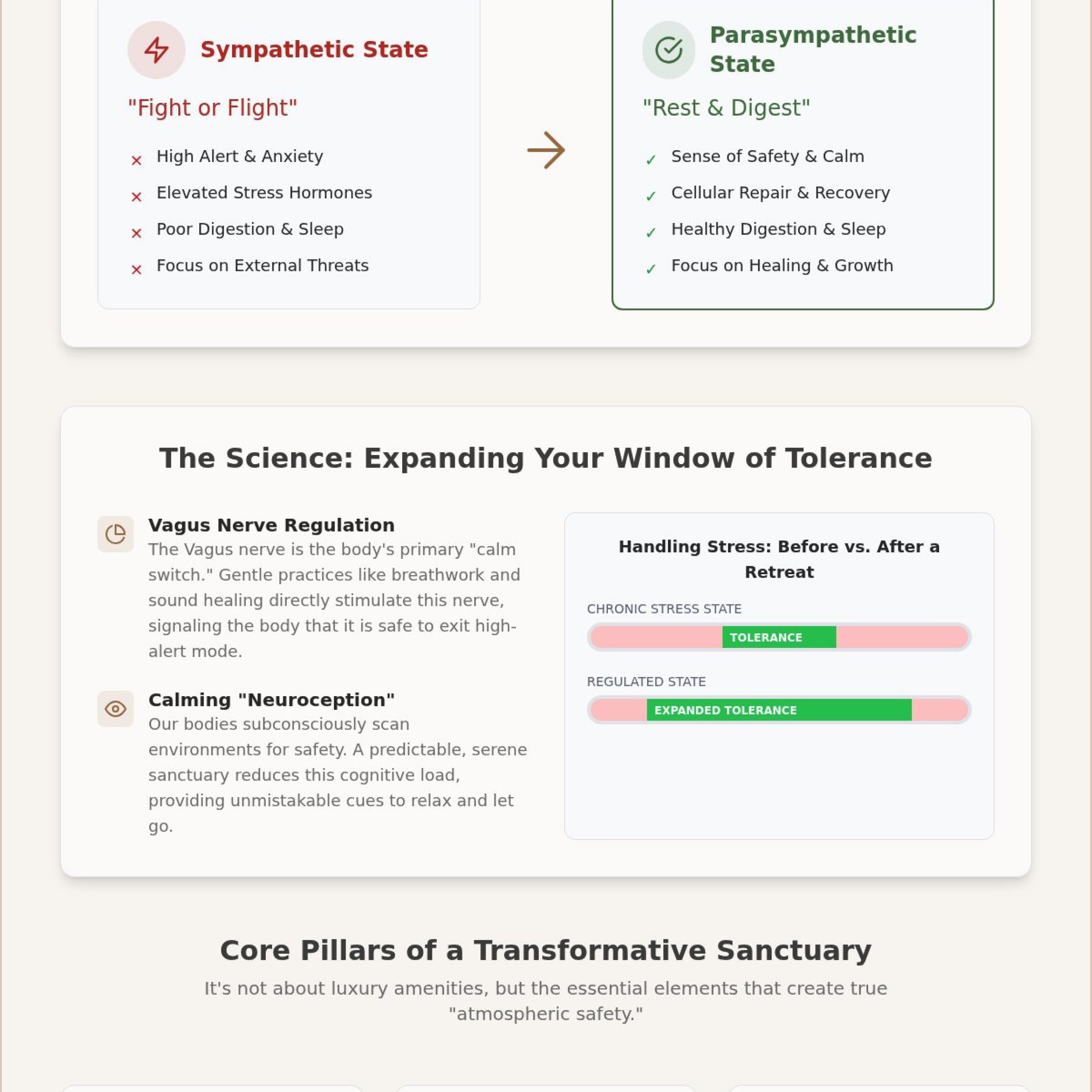
Modern life often feels like a relentless series of digital interruptions. We’ve spent years pushing our bodies to the brink, mistaking constant activity for progress, but our internal systems are paying the price. A nervous system retreat isn’t just a break from the office; it’s a calculated recalibration of your biology. It focuses on moving the body from the sympathetic “fight or flight” mode into the parasympathetic nervous system. This is the essential domain of “rest and digest,” where the body finally feels safe enough to perform vital repair work.
In 2026, we’re seeing a departure from the grueling fitness bootcamps that defined the last decade. People are simply too tired for more “work.” The low-grade stress response triggered by endless notifications and unpredictable schedules has left our internal systems biologically brittle. A nervous system reset is a clinical and atmospheric intervention to restore biological resilience. Choosing a nervous system retreat is about creating a space where the environment does the heavy lifting of regulation for you.
Beyond the Yoga Mat: How Neuro-Wellness Differs
Standard wellness retreats often fill your itinerary with consecutive classes. Neuro-wellness takes a different path through an input reduction model. By minimizing noise, artificial light, and social demands, these escapes allow the brain to stop processing exhausting external data. We measure success through recovery markers like Heart Rate Variability (HRV) and improved sleep quality rather than calories burned or miles run. In this context, doing less is the most profound thing you can do for your health.
The 2026 Wellness Shift: Recovery Over Performance
With global wellness spending projected to reach $1.4 trillion by 2027, the market is pivoting toward deep, sustained recovery. This movement has been fueled by the “sleep tourism” trend, which served as a gateway for many to realize the importance of nervous system health. In an increasingly volatile world, the psychological need for a true sanctuary has become a priority. Seekers are looking for places that offer a sense of permanence and peace, often found in private estates that prioritize quiet over commercial bustle. It’s a fundamental shift from peak performance to long term preservation.
Understanding the Reset: The Science of Parasympathetic Recovery
The science behind a nervous system retreat centers on the Vagus nerve, a critical component of our internal regulatory system. Acting as the primary “on-off switch” for our physiological reactions, it dictates whether we remain in a state of high alert or transition into recovery. Understanding the stress response reveals that when this nerve is properly stimulated, it signals the body to lower the heart rate, regulate blood pressure, and initiate cellular repair. This process is essential for expanding our “Window of Tolerance,” which is the narrow range where we can handle life’s challenges without spiraling into panic or shutting down completely.
Our bodies are constantly engaged in “neuroception,” a subconscious process of scanning the surroundings for subtle cues of safety or threat. In a busy commercial hotel, the brain often remains on high alert due to unpredictable noises, crowded hallways, and unfamiliar faces. A specialized nervous system retreat reduces this cognitive load by providing a predictable, heritage-rich sanctuary where every detail is thoughtfully managed. When a “gracious host” anticipates your needs before you even voice them, your brain finally receives the clear, unmistakable signal that it’s safe to disengage from its defensive posture and enter a state of true restorative peace.
Vagal Nerve Stimulation and Restorative Bodywork
Specific modalities like sound healing and gentle breathwork are designed to target the Vagus nerve with precision. These practices move beyond surface-level relaxation to reach deep into the autonomic system, encouraging a state of profound physiological surrender. For those organizing such experiences, following a Sound Healing Retreat Planning checklist ensures the venue logistics support these delicate protocols. Atmospheric healing, which includes the intentional use of natural textures, soft acoustics, and expansive views, works in tandem with bodywork to lower cortisol levels and foster a sense of sanctuary for the soul.
The Role of Circadian Rhythms in Neuro-Regulation
True biological restoration requires us to realign with natural hormone rhythms. Exposure to natural morning light and cooler evening temperatures supports the production of melatonin and the reduction of adrenaline. Unplugging from blue light is a non-negotiable step in resetting the biological clock, allowing the nervous system to settle into its natural cadence. Practitioners should consider scheduling grounding activities around these natural light cycles to maximize the healing potential of the environment. Choosing to host your next event at private villas allows for total control over these environmental factors, ensuring every guest finds their path back to balance.
Core Pillars of a Transformative Nervous System Experience
A successful nervous system retreat rests upon the foundation of absolute predictability. When the brain can’t anticipate what comes next, it remains in a state of vigilant scanning, which prevents deep restoration. By establishing a rhythm of high-quality hospitality where every logistical detail is managed, the environment becomes a partner in the healing process. Input reduction serves as the second vital pillar. This involves a deliberate minimization of artificial light, digital notifications, and ambient noise. It’s not about deprivation; it’s about creating a quiet vacuum where the body’s internal signals can finally be heard above the roar of modern life.
Nutritional support and gentle movement complete this regulatory framework. We focus on anti-inflammatory diets designed to stabilize blood sugar, as glucose spikes can often mimic the physiological symptoms of anxiety. Movement shifts away from the high-impact strain of traditional fitness toward functional, somatic exercises. These practices don’t aim for exhaustion. Instead, they encourage a dialogue with the body, teaching it that it’s safe to move, breathe, and exist without the pressure of performance. This holistic approach ensures that every aspect of the stay reinforces the transition into a parasympathetic state.
The Importance of Quiet and Stillness
Silence is a vital nutrient for a depleted nervous system. In our hyper-connected world, true quiet has become a rare luxury, yet it’s the only environment where the brain can truly integrate new patterns of safety. For practitioners, Choosing the Ideal Breathwork Retreat Venue requires finding a location where the silence is heavy and undisturbed. Embracing the “Art of Doing Nothing” isn’t a waste of time. It’s a sophisticated recovery strategy that allows the mind to settle into a state of profound, quiet sanctuary.
Somatic Practices and Sensory Grounding
Somatic experiencing is the process of releasing stored tension through body-based awareness rather than intellectual analysis. By grounding in nature, a practice often called “Earthing,” guests can physically reconnect with the natural world to aid neuro-regulation. Sensory-rich environments that feature natural scents, aged textures, and architectural heritage provide the subconscious cues of permanence that aid neuroception. When you surround yourself with the grounding influence of a private guest ranch, the environment itself does the work of reminding your body that it’s safe to let go of the past and settle into the present moment.
Designing the Sanctuary: Elements of an Effective Healing Environment
True restoration requires more than a quiet room; it demands an environment that actively participates in your recovery. The “Gracious Host” philosophy is the cornerstone of a premium nervous system retreat. By providing attentive, intuitive service, we eliminate the micro-decisions that plague our daily lives. From the moment you arrive, the weight of logistics is lifted. This removal of decision fatigue allows the brain to finally rest. When you aren’t worrying about meal times or navigation, your cognitive load drops, creating the space needed for deep neuro-regulation. It’s a shift from being a traveler to being a guest in the truest sense of the word.
Large, commercial resorts often feel like high-traffic hubs, which can inadvertently trigger the body’s subconscious scanning response. In contrast, private boutique settings offer a “closed container” for healing. This exclusivity is essential for group work where vulnerability and focus are required. Having dedicated enclaves for individual reflection within a shared property allows for the necessary integration of the retreat’s lessons. Explore Private Estate Accommodations to see how these intimate, atmospheric environments provide the perfect backdrop for your next reset.
Architectural Heritage as a Regulatory Tool
Thick walls, natural materials, and the visual rhythm of traditional craftsmanship aren’t just aesthetic choices. They are grounding elements that offer a psychological sense of permanence. This architectural heritage provides a sturdy, reliable container for the soul. We blend this old-world charm with the refined comforts of modern hospitality, such as high-end linens and precise climate control. This fusion ensures that while you feel connected to history, your body isn’t stressed by physical discomfort. A profound “sense of place” anchors the mind, offering a tranquility that sterile, modern builds simply cannot replicate. The cool touch of plaster and the scent of aged wood serve as sensory anchors that keep you present and calm.
Privacy vs. Community in Retreat Design
The most effective healing environments balance social connection with the need for absolute solitude. Private estates allow for a buyout of the entire property, ensuring that every person you encounter is part of the same healing journey. This shared intention creates a field of safety that is vital for nervous system work. For practitioners looking to create these specialized experiences, our How to Host a Yoga Retreat: 2026 Planning Guide details how venue choice dictates the success of your program. It’s about creating a safe, exclusive world where the outside noise simply ceases to exist, allowing guests to focus entirely on their internal landscape.
The Private Estate Advantage for Wellness Leaders
Wellness leaders are increasingly choosing private villas over commercial hotels to host a nervous system retreat. This shift is driven by the need for a “blank canvas” where specialized neuro-wellness protocols can be applied without the interference of a public resort’s unpredictable environment. In a private setting, every variable, from the intensity of the lighting to the rhythm of the soundscape, is under the leader’s direct control. This level of precision is vital for practitioners who understand that the environment does half the work in regulation. By moving away from the generic hospitality of large chains, hosts can offer a truly bespoke experience that aligns with the sophisticated needs of the modern wellness seeker.
As explored in our A Sanctuary for the Soul: Wellness Retreats Guide, the venue itself becomes an extension of the practitioner’s kit. A private estate provides the absolute quiet required for deep integration, ensuring that the only voices heard are those of the group and the natural surroundings. This seclusion allows for the “closed container” that is so essential for emotional and physiological repair.
Creating a Controlled Healing Environment
A private buyout allows for a total digital detox, where the constant hum of connectivity is replaced by intentional presence. Leaders can customize every aspect of the stay, including the development of anti-inflammatory menus that support blood sugar stability and biological recovery. Dedicated event spaces within the ranch, such as expansive courtyards or thick-walled historical rooms, provide the perfect acoustics for sound baths and meditation sessions. This level of environmental control ensures that the retreat remains uncompromised by outside influences, allowing for a seamless transition into a parasympathetic state.
The Future of Intimate, Heritage-Driven Retreats
The boutique guest ranch is the ultimate 2026 wellness destination because it offers a sense of permanence that modern builds often lack. Heritage-rich spaces provide a grounding influence that enhances a leader’s teaching, making the lessons feel rooted in something timeless and stable. These intimate settings foster a unique bond between the host and the guest, moving the experience from a transaction to a shared journey of renewal. We invite wellness practitioners to consider how an atmospheric, private estate can elevate their next program and provide the sanctuary their clients deserve.
Take the first step in curating a transformative experience for your group. Inquire about hosting your next nervous system retreat at a sanctuary designed for profound restoration.
Step Into Your Season of Restoration
As we look toward 2026, the definition of luxury has moved beyond mere amenities toward the profound gift of a regulated mind. Choosing a nervous system retreat is a commitment to prioritize biological resilience over the relentless demands of performance. True healing doesn’t occur in a vacuum; it requires a private, historic guest ranch setting where the architecture itself provides a sense of safety and grounding. By embracing boutique hospitality paired with modern luxury, you allow your body to finally step out of high alert and into a state of deep, enduring peace.
Whether you’re a seeker in need of quiet or a practitioner ready to curate an expert-led wellness environment, the sanctuary you choose dictates the depth of the recovery. It’s time to move away from the noise and toward a place that understands the delicate science of restoration. Discover Your Sanctuary: Explore Private Villa Rentals for Your Next Retreat. Your path to a quieter, more grounded life begins with a single, intentional choice. We look forward to welcoming you home.
Frequently Asked Questions
What exactly happens during a nervous system retreat?
These programs prioritize sensory safety over busy schedules. You’ll likely participate in somatic experiencing, guided breathwork, and gentle nature immersion. Unlike traditional retreats, the goal is to minimize external stimulation. The environment acts as a partner in your healing. You might find yourself spending long periods in quiet reflection or enjoying curated, anti-inflammatory meals designed to soothe the body’s internal systems. It’s a structured shift into a parasympathetic state through a specialized nervous system retreat.
How long does it take to reset the nervous system?
While a single day of quiet provides relief, deep biological shifts typically require five to seven days. This duration allows the body to move beyond the initial unwinding phase and enter a state of sustained parasympathetic dominance. Research into wellness trends for 2026 suggests that longer stays are becoming the standard for those seeking true biological resilience. Consistency in your environment during this window is essential for achieving lasting results and physiological stability.
Is a nervous system retreat the same as a silent retreat?
Not exactly, though silence is often used as a vital nutrient for recovery. A neuro-wellness program focuses on comprehensive sensory regulation, which includes sound, light, and nutritional inputs. While a silent retreat emphasizes the absence of speech, these programs might include guided sound healing or gentle group dialogue. The priority is creating a closed container of safety rather than just the absence of noise. Both aim for peace but through different, specialized methodologies.
Can I attend a nervous system retreat if I have chronic anxiety?
Yes, these retreats are specifically designed to support individuals navigating chronic stress and anxiety. By expanding your Window of Tolerance, the program helps your body learn that it is safe to relax in a controlled setting. The predictable environment of a private guest ranch reduces the hyper-vigilance often associated with anxiety. However, it’s always wise to consult with the retreat leader to ensure their specific modalities align with your personal health history and current needs.
What should I pack for a neuro-wellness retreat?
Pack for comfort and sensory ease. Focus on natural fibers like linen or organic cotton that allow your skin to breathe. You’ll want comfortable layers for temperature shifts and sturdy shoes for grounding walks in nature. Since many retreats encourage a digital detox, bring a physical journal or a book you’ve been meaning to read. Leave behind heavy perfumes or bright, synthetic clothing to maintain the low-stimulation environment that your biological recovery requires.
Are these retreats suitable for corporate teams or just individuals?
They are exceptionally well-suited for corporate teams facing burnout. In 2026, approximately 58% of companies reported plans to invest in employee wellness experiences. A private estate buyout provides a secure environment for teams to reset together without the distractions of a commercial hotel. These programs help teams transition from a collective fight or flight state to a more collaborative and creative rest and digest mode, improving long term productivity and workplace culture.
What are the most common modalities used in these programs?
Most programs utilize a blend of somatic experiencing, Vagus nerve stimulation, and restorative bodywork. You might encounter sound healing, gentle breathwork, or forest bathing. These modalities are chosen specifically for their ability to lower cortisol and improve Heart Rate Variability. The focus is always on low-impact interventions that encourage the body to release stored tension. Every practice serves the singular goal of reinforcing a sense of profound, quiet sanctuary for every guest.
How do I maintain the benefits of the retreat once I return home?
Integration is the most important phase of any nervous system retreat. You can maintain your progress by implementing small, daily rituals like morning sunlight exposure or short breathing exercises. Focus on controlling your home environment by reducing blue light in the evenings and creating tech-free zones. The goal is to take the sense of sanctuary you found at the guest ranch and weave it into the fabric of your modern, everyday life.
0 Comment