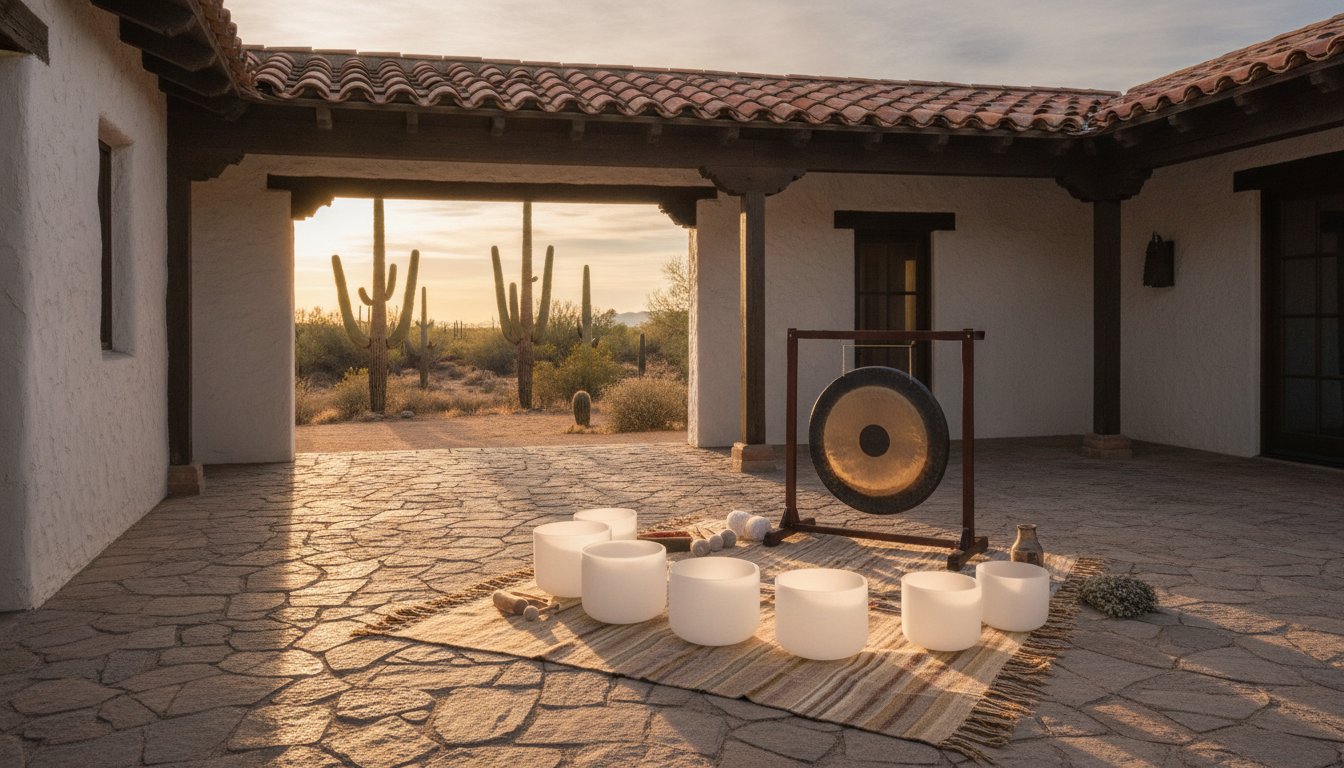

Imagine the moment of deep stillness following the strike of a crystal bowl, only to have the silence shattered by the mechanical hum of a distant air conditioner or the heavy footfalls of a neighboring group. For a dedicated practitioner, this isn’t just a minor distraction; it’s a breach of the sacred container you’ve worked so hard to build for your sound healing retreat. You already know that the success of a transformative session depends entirely on the environment’s ability to hold a frequency without outside interference. Finding a venue that offers true acoustic sanctity and the privacy for deep emotional release remains the most critical hurdle in your planning process.
This guide provides the essential 2026 checklist to help you master the acoustic, environmental, and logistical requirements of a professional event. We’ll explore how to secure a space that offers both the natural resonance of high ceilings and the absolute seclusion required for vulnerable work. From managing the transport of heavy gongs to ensuring your delicate instruments have climate-controlled storage, you’ll learn how to curate a seamless, boutique experience. We will walk through the specific venue features and “gracious host” details that turn a simple gathering into a resonant sanctuary where every vibration is protected.
Key Takeaways
- Identify the specific acoustic requirements of a professional sound healing retreat, including the importance of ceiling volume and the total elimination of external noise.
- Master the logistics of instrument care by planning for climate-controlled storage and secure transport of delicate quartz and wood pieces.
- Build a nervous-system-friendly schedule that thoughtfully integrates high-frequency sessions with grounding activities and periods of noble silence.
- Discover why an exclusive-use buyout of a boutique guest ranch is the only way to guarantee the privacy required for transformative emotional work.
- Learn how to blend old-world heritage with modern refinement to provide a professional yet deeply personal experience for every participant.
The Core Elements of a Professional Sound Healing Retreat
In 2026, the distinction between a casual wellness event and a professional sound healing retreat has never been clearer. Participants are no longer satisfied with a simple hour-long sound bath in a crowded city studio. They’re seeking a deep, residential experience where the environment itself acts as a resonant chamber for transformation. As a facilitator, your role has evolved from a musician to a dedicated steward of space. You aren’t just playing instruments; you’re managing a delicate ecosystem of frequency that requires a sanctuary free from the interruptions of the modern world. With the global sound therapy market projected to reach 2.7 billion dollars this year, the demand for high-quality, immersive experiences is at an all-time high.
The Anatomy of a Sound Healing Session
Vibrational therapy works by gently coaxing the autonomic nervous system into a state of deep repair. While Music therapy is a distinct, clinically regulated field, sound healing practitioners utilize similar principles of resonance and entrainment to facilitate emotional release. The magic of a multi-day retreat lies in the transition from passive immersion to active integration. When guests remain within a curated sonic environment for 24 hours or more, their breakthroughs accelerate. This sustained immersion allows the body to stay in a parasympathetic state, far away from the “fight or flight” triggers of daily life. It’s during these quiet, overnight stays that the most profound nervous system regulation occurs.
Why 2026 Retreats Demand Total Privacy
True healing requires a level of vulnerability that cannot exist in shared public spaces. The concept of “Acoustic Sanctity” has emerged as the gold standard for luxury wellness, where total silence is the most precious amenity provided. Standard hotels or public retreat centers often fail facilitators because of “noise bleed” from hallways, kitchens, or nearby traffic. To guarantee a professional result, many organizers now prioritize a full property buyout. Securing private villa rentals ensures that every footfall and every breath belongs to your group alone. This exclusive-use model provides the psychological safety guests need to release deep-seated tension without the fear of being overheard by strangers. It transforms a simple stay into a protected sanctuary where the only sounds are those you intentionally create. This privacy is the foundation of emotional safety, allowing participants to fully surrender to the experience.
Environmental Checklist: Auditory and Acoustic Requirements
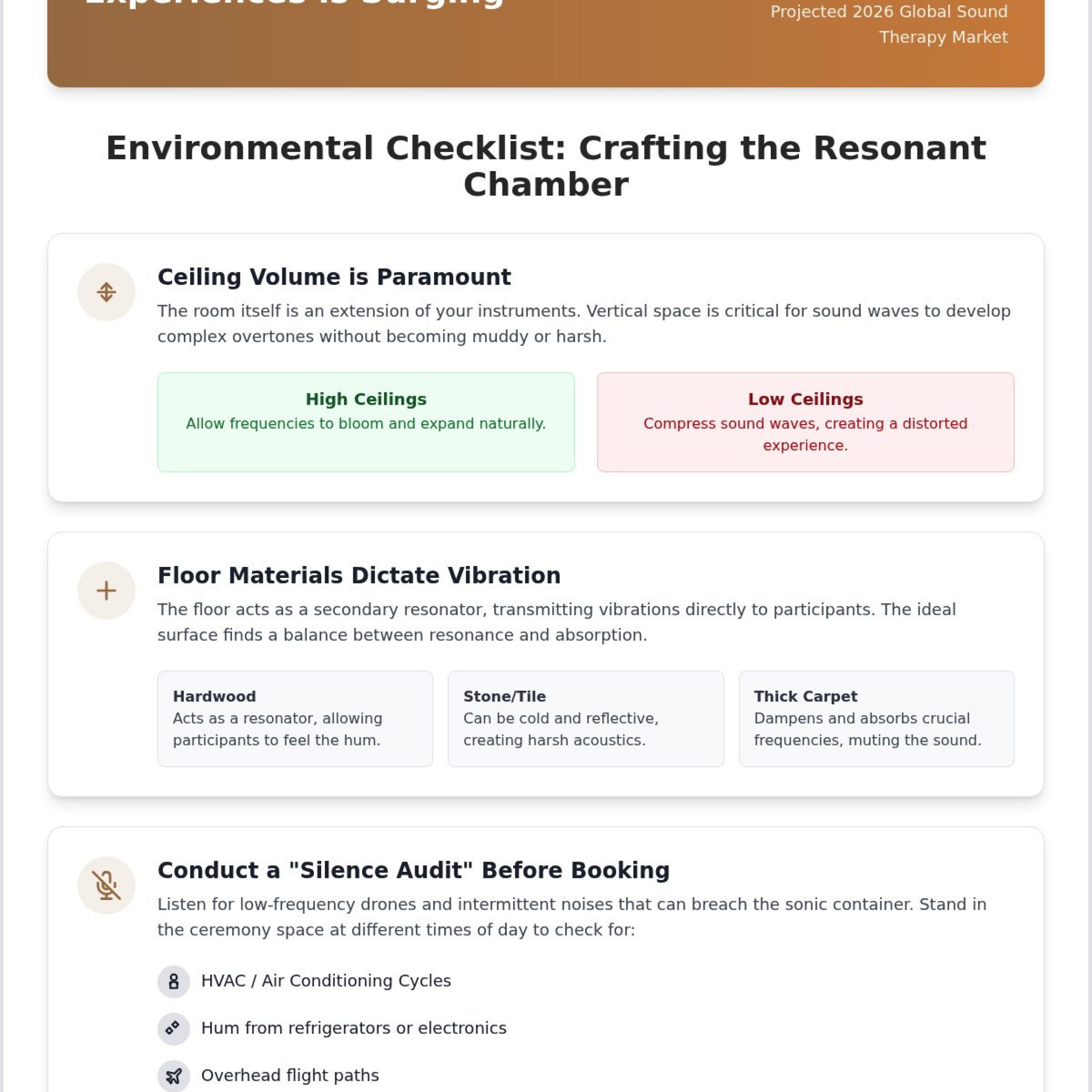
A successful sound healing retreat depends on the physical integrity of the room. While many venues claim to be quiet, few are truly built for the physics of sound. Ceiling height is paramount. Low ceilings compress the sound waves from gongs and larger crystal bowls, resulting in a muddy, overwhelming experience. You need vertical air space for frequencies to bloom and expand before they reach the listener. This volume allows the complex overtones of your instruments to layer naturally without becoming distorted or harsh.
Floor materials also dictate how vibrations travel through the body. Hardwood floors act as a secondary resonator, allowing participants to feel the hum in their bones. Stone can be cold and reflective, while thick carpeting often dampens the very frequencies you want to highlight. Finding a balance, perhaps a stone floor softened by high-quality rugs, creates the ideal acoustic sweet spot where sound is neither swallowed nor harshly reflected. Understanding The Science of Sound Therapy helps facilitators realize that the room is actually an extension of the instrument. If the space has a poor decay time, which is the time it takes for a sound to fade to silence, the intricate textures of your performance will be lost.
The “Silence Audit” for Venue Selection
Before you commit to a contract, conduct a thorough silence audit. Stand in the center of the primary ceremony space at different times of day. Listen for the cycle of the HVAC system or the distant hum of a commercial refrigerator. These low-frequency drones can clash with the precise tuning of your bowls. Check for flight paths or local wildlife patterns. While a chorus of birds is lovely, a persistent leaf blower from a neighboring property can ruin a session. A professional venue should offer a sanctuary where the only sounds are those you intentionally invite into the space.
Visual and Sensory Harmony
The environment must support the auditory journey through visual cues. Lighting should be adjustable, moving from the soft glow of dawn to deep, warm amber for evening ceremonies. Temperature regulation is equally vital. During deep sound immersion, the body’s core temperature often drops as the nervous system enters a restorative state. A venue that offers cozy blankets and efficient, silent heating ensures guests stay present rather than shivering. When you choose a private villa rental, you gain control over these environmental variables. The right venue doesn’t just host your event. It amplifies your intention. If you’re looking for a space that respects these acoustic nuances, exploring the boutique guest ranch options at Solana Spanish Villas can provide that essential sanctuary.
Logistical Checklist for Sound Healing Organizers
Organizing a professional sound healing retreat involves a complex dance of heavy lifting and delicate handling. While the ceremony itself feels ethereal, the preparation is deeply grounded in physical reality. Your instruments are your livelihood and your primary tools for transformation. With a set of seven crystal singing bowls often priced near $1,600 and specialized monochords exceeding $2,300, the stakes for safe transport and storage are high. A venue with narrow corridors or steep staircases isn’t just an inconvenience; it’s a liability for your fragile quartz and heavy bronze gongs. Prioritize spaces that offer ground-floor access and wide entryways to ensure your equipment arrives in pristine condition.
Storage security is another critical factor often overlooked by standard retreat centers. Instruments made of natural wood or high-purity quartz are sensitive to extreme temperature shifts and humidity. You need a dedicated, climate-controlled room where your tools can rest between sessions. This prevents the wood of your drums or monochords from warping and ensures your bowls remain in perfect pitch. When you secure private villa rentals for your event, you gain the ability to designate specific, secure zones for your equipment, away from the high-traffic areas of the property.
The Facilitator’s Equipment Load-In
Once inside the ceremony space, the physical layout dictates the flow of energy. Level floor surfaces are non-negotiable for stable gong stands and bowl placements. An uneven floor can lead to distracting rattles or, worse, a tipped instrument during a deep immersion. Beyond the instruments, consider your power requirements. Even a “low-tech” session may require outlets for ambient lighting, recording equipment, or subtle heating pads for participants. Ensure the venue provides ample storage for bulky props like bolsters, weighted blankets, and eye masks so they remain tucked away until the precise moment they’re needed.
Managing the Sound Field
The geometry of the room affects how every participant receives the frequency. To maintain a professional sound field, calculate your spacing carefully. A general rule for a high-end sound bath is to allow 30 to 35 square feet per participant. This provides enough room for a standard yoga mat, a “buffer zone” for personal space, and the necessary props for deep comfort. This spacing also ensures that the sound waves aren’t absorbed too quickly by the bodies in the room, allowing the resonance to circulate freely. By creating a clear perimeter around your “altar” or instrument area, you protect your tools from accidental contact while maintaining a commanding presence as the steward of the sonic journey.
Designing a Nervous-System-Friendly Retreat Schedule
A common pitfall in planning a sound healing retreat is the temptation to over-schedule. While you may want to offer maximum value, the human nervous system requires significant downtime to process high-frequency vibrations. Vibrational fatigue is real; too much exposure without rest can leave participants feeling ungrounded or overstimulated. A professional itinerary balances deep “passive” sound baths with “active” integration periods. This rhythmic flow mimics the natural expansion and contraction of the breath, allowing for deep work without overwhelm. Understanding the growing demand for a nervous system retreat can help you design a schedule that meets participants where they are and delivers the profound restoration they’re seeking.
Aligning your sessions with the circadian rhythm enhances the body’s receptivity. A sunrise session using lighter, higher-pitched chimes can gently wake the spirit, while an evening immersion with deep gongs and grounding Himalayan bowls supports the transition into sleep. Meal timing is equally critical. Digestion is a heavy energy process that competes with the subtle work of sound healing. Schedule your main ceremonies at least two hours after meals, and keep the menu light and plant-forward to ensure the body’s energy remains available for vibrational regulation.
Active vs. Passive Modalities
Prepare the physical body before asking it to be still. Integrating ten minutes of gentle somatic movement or breathwork allows participants to release surface-level tension. Vocal toning is another powerful “active” tool; it empowers guests to find their own resonance before they sink into passive listening. For the main sound bath, a 90-minute window is the gold standard. This allows for a 15-minute gentle entry, a 60-minute peak frequency immersion, and a 15-minute “fade” into total silence.
Integration and Aftercare
Integration Time is the most critical part of the retreat, serving as the bridge where vibrational shifts become permanent lifestyle changes. Without it, the “retreat high” evaporates the moment a guest returns home. Designate specific “Noble Silence” periods where participants stay in their own energy without the pressure of social interaction. Dedicated quiet zones, like a shaded courtyard or a historic library, provide the necessary sanctuary for post-session reflection. Group sharing should be facilitated carefully to avoid breaking the energetic container you’ve spent days building.
To provide this level of focused care, you need a venue that allows for total control over the environment. The privacy of an exclusive-use property is essential for the success of your sound healing retreat, ensuring that no outside distractions interrupt these vital periods of silence and integration. When you book an exclusive-use villa, you create a protected container where the journey of discovery can unfold at its own pace.
The Private Villa Advantage: Elevating the Guest Experience
Securing a full property buyout is the final, most critical step in guaranteeing the success of your sound healing retreat. While shared resorts or public wellness centers offer beautiful spaces, they cannot promise the absolute silence required for deep vibrational work. A private estate ensures that every person on the grounds is part of your intentional container. This eliminates the risk of uninvited noise from neighboring tourists or staff activities that could shatter a delicate session. When you control the entire property, the transition from ceremony to rest remains unbroken, allowing the “Acoustic Sanctity” established in your sessions to permeate the guests’ entire stay.
The aesthetic of the venue also plays a silent but powerful role in grounding the group’s energy. A boutique guest ranch, with its blend of historic heritage and modern refinement, provides a sense of timelessness that complements the ancient roots of sound therapy. High-quality accommodations shouldn’t just be a place to sleep; they should act as an extension of the healing space. This environment allows participants to move from high-intensity emotional releases into private sanctuaries where they can decompress in total peace. Unlike shared dormitories, private suites provide the necessary distance for individual reflection after intense group work.
From Lodging to Sanctuary
High-end short-term rentals offer a level of intimacy that traditional hotels simply cannot match. By choosing private villa rentals for groups, you provide a “home-away-from-home” atmosphere that fosters long-term transformation. This sense of belonging is essential for guests to feel safe enough to explore deep internal shifts. The comfort of a well-appointed villa, combined with the rugged beauty of a natural landscape, creates a unique duality. It grounds the spirit while the sound work expands the consciousness, ensuring that participants feel both supported and inspired throughout their journey.
The Gracious Host Model
A professional venue partner acts as a “gracious host,” removing the logistical burden from the facilitator so you can focus entirely on your students. This model blends old-world hospitality with the amenities required for a modern wellness event. Whether you are wondering how to host a yoga retreat or a specialized sound immersion, the support of a detail-oriented venue team is invaluable. They understand the nuances of Western heritage and the specific needs of high-end travelers. The same principles of residential planning that apply when planning a yoga teacher training retreat — from financial break-even points to curating a private estate that serves as a blank canvas for your vision — translate directly to the logistical demands of a professional sound healing intensive. To secure your preferred dates for a 2026 sound healing retreat, early planning is essential. Seeking out an exclusive-use estate that prioritizes preservation and quality will ensure your event stands out as a premier professional offering in the growing wellness market.
Designing Your Sanctuary for Sound
Success in this field requires a shift from simply booking a room to curating a resonant sanctuary. You’ve learned that the depth of a guest’s experience hinges on acoustic sanctity and the logistical precision of instrument care. By prioritizing exclusive-use property buyouts, you protect the emotional safety of your participants and ensure every vibration remains undisturbed by the outside world. This level of detail transforms a standard itinerary into a life-changing immersion.
At Solana Spanish Villas, we offer a historic guest ranch setting that blends old-world charm with the modern amenities necessary for experienced wellness event hosting. Our private estate provides the total seclusion your practice demands, allowing for deep integration and profound silence. Explore our private villas for your next sound healing retreat and discover a space that respects your craft as much as you do. Your vision for a transformative retreat is within reach, and we’re ready to help you hold the space. We look forward to welcoming you home.
Frequently Asked Questions
What are the best instruments for a residential sound healing retreat?
A professional event usually features a diverse array of 432 Hz crystal singing bowls, deep-resonance gongs, and delicate Koshi chimes. Many practitioners in 2026 are also incorporating Feeltone monochords and handpans for their complex harmonic overtones. These instruments allow for a layered sonic landscape that supports both light, ethereal states and deep, grounding vibrations. Choose tools that offer high-quality craftsmanship to ensure their frequency remains stable throughout the stay.
How much space do I need per person for a sound bath?
You should plan for approximately 30 to 35 square feet per participant to ensure a professional and comfortable environment. This allocation provides ample room for a standard yoga mat, a collection of bolsters, and weighted blankets without crowding. Adequate spacing is essential for acoustic clarity, as it prevents bodies from absorbing too much sound too quickly. It also honors the personal buffer zone required for guests to feel safe.
Do I need a special license to host a sound healing retreat?
There is currently no single, government-recognized license or regulatory body for sound healing in the United States as of 2026. The field remains self-regulated, with practitioners often seeking certifications from private organizations like the International Sound Therapy Association. While you don’t need a specific legal license to host a sound healing retreat, holding a recognized certification builds trust with participants and ensures you understand essential safety protocols for nervous system regulation.
What is the ideal duration for a sound-focused wellness retreat?
A duration of three to five days is ideal for a residential sound-focused wellness retreat. This timeframe allows participants enough time to move past their initial arrival stress and sink into a deep parasympathetic state. Shorter events often feel rushed, while longer intensives can lead to vibrational fatigue. A four-day schedule provides a balanced rhythm of high-frequency sessions, grounding integration, and the essential periods of noble silence that facilitate transformation.
How can I ensure the venue is quiet enough for sound therapy?
The most reliable way to guarantee silence is to secure an exclusive-use property buyout. This prevents noise bleed from other guests or staff activities. Conduct a thorough silence audit by visiting the ceremony space during different times of the day to listen for HVAC hums or distant traffic. A professional venue with thick walls and a remote, boutique setting acts as a natural sanctuary, shielding your sessions from the modern world.
What should participants bring to a sound healing intensive?
Participants should bring comfortable, layered clothing to manage body temperature shifts during deep sound immersion. Since core temperatures often drop during restorative states, warm socks and a light shawl are essential. An eye mask helps deepen the internal journey by removing visual distractions. We also recommend a journal for recording insights during integration time and a refillable water bottle to stay hydrated, as vibrational work can be surprisingly detoxifying for the body.
How do I price a sound healing retreat for profitability?
Pricing should account for your venue buyout, instrument transport, and specialized catering while reflecting the premium nature of a boutique experience. Consider the 2026 sound therapy market growth, where in-person sessions hold a significant share of the multi-billion dollar wellness industry. Successful facilitators often use a tiered pricing model based on accommodation type. Ensure your margins cover the intensive support and the exclusive privacy that makes your specific sound healing retreat a high-value offering.
What is the best time of year to host a desert-based sound retreat?
Spring and autumn are the most evocative seasons for hosting a desert-based sound retreat. During these months, the daytime temperatures are mild and the evenings offer a crisp, clear atmosphere perfect for sunset ceremonies. The natural tranquility of the landscape is at its peak, providing a silent backdrop that amplifies the resonance of your instruments. Avoid the extreme heat of mid-summer, which can be taxing on both your delicate quartz instruments and physical comfort.
0 Comment