
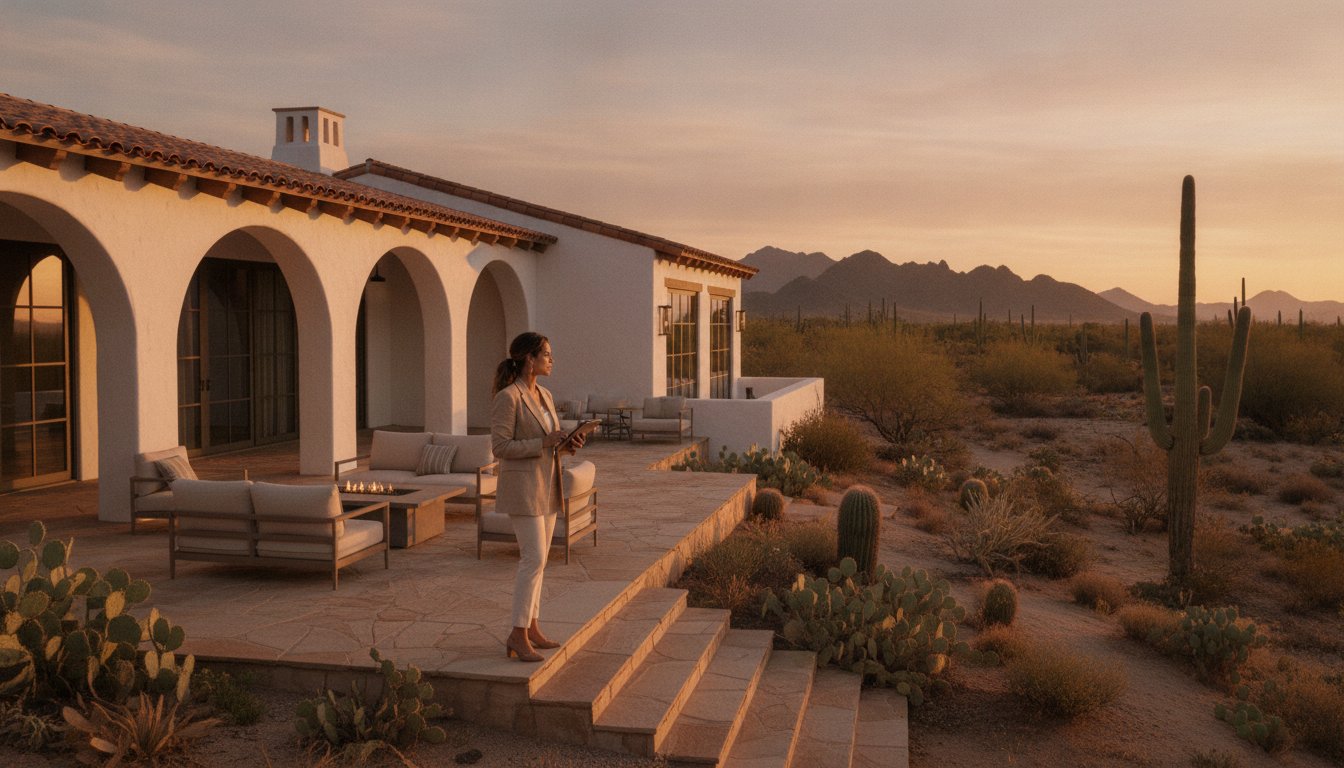

The most successful all inclusive guest ranch doesn’t just provide a bed and a meal; it acts as a silent co-facilitator where heritage architecture and functional hospitality remove every logistical friction point. You’ve likely felt the frustration of a beautiful venue that falls short when the contract hides unexpected surcharges or the remote peace is shattered by a failing Wi-Fi signal during a high-stakes presentation. It’s a common anxiety for organizers who need more than just a scenic backdrop. You want a space that respects the past while fully supporting the technical and privacy needs of a modern professional group.
Mastering the art of venue selection requires a professional-grade inspection framework designed specifically for these unique, high-stakes environments. This guide provides you with a comprehensive checklist to navigate your 2026 site visits with total confidence. We’ll explore how to distinguish a boutique private estate model from a generic resort, ensure alignment between vintage charm and nervous-system-friendly modern comfort, and verify the critical infrastructure that keeps a retreat running smoothly. You’ll gain the tools to choose a sanctuary that honors its heritage without sacrificing the contemporary quality your guests deserve.
Key Takeaways
- Learn why the “private estate” model at an all inclusive guest ranch provides superior group focus and intimacy compared to sprawling commercial resorts.
- Discover how to audit lodging configurations to ensure a perfect balance between communal bonding and essential personal sanctuary for every attendee.
- Master the inspection of facilitation spaces by evaluating acoustics, lighting, and flooring to support both high-energy sessions and deep-focus work.
- Verify culinary capabilities to handle complex dietary requirements while selecting the service style that best fosters authentic group connection.
- Implement the “Ten-Minute Silence” technique to absorb a venue’s true energy and ensure robust contingency plans are in place for remote settings.
Defining the All-Inclusive Guest Ranch Standard for 2026
The history of guest ranches is rooted in a tradition of gracious hospitality, but the 2026 standard has shifted toward a more curated, professional experience. Today, a premier all inclusive guest ranch acts as a sophisticated fusion of boutique lodging, culinary excellence, and dedicated event support. It’s a space where heritage meets modern utility. To master your selection, you must focus on three core pillars: a rigorous lodging audit, a study of facilitation flow, and a review of culinary logistics. An all inclusive guest ranch is a venue that manages all logistical variables to allow leaders to focus entirely on their participants.
The Private Estate vs. The Commercial Resort
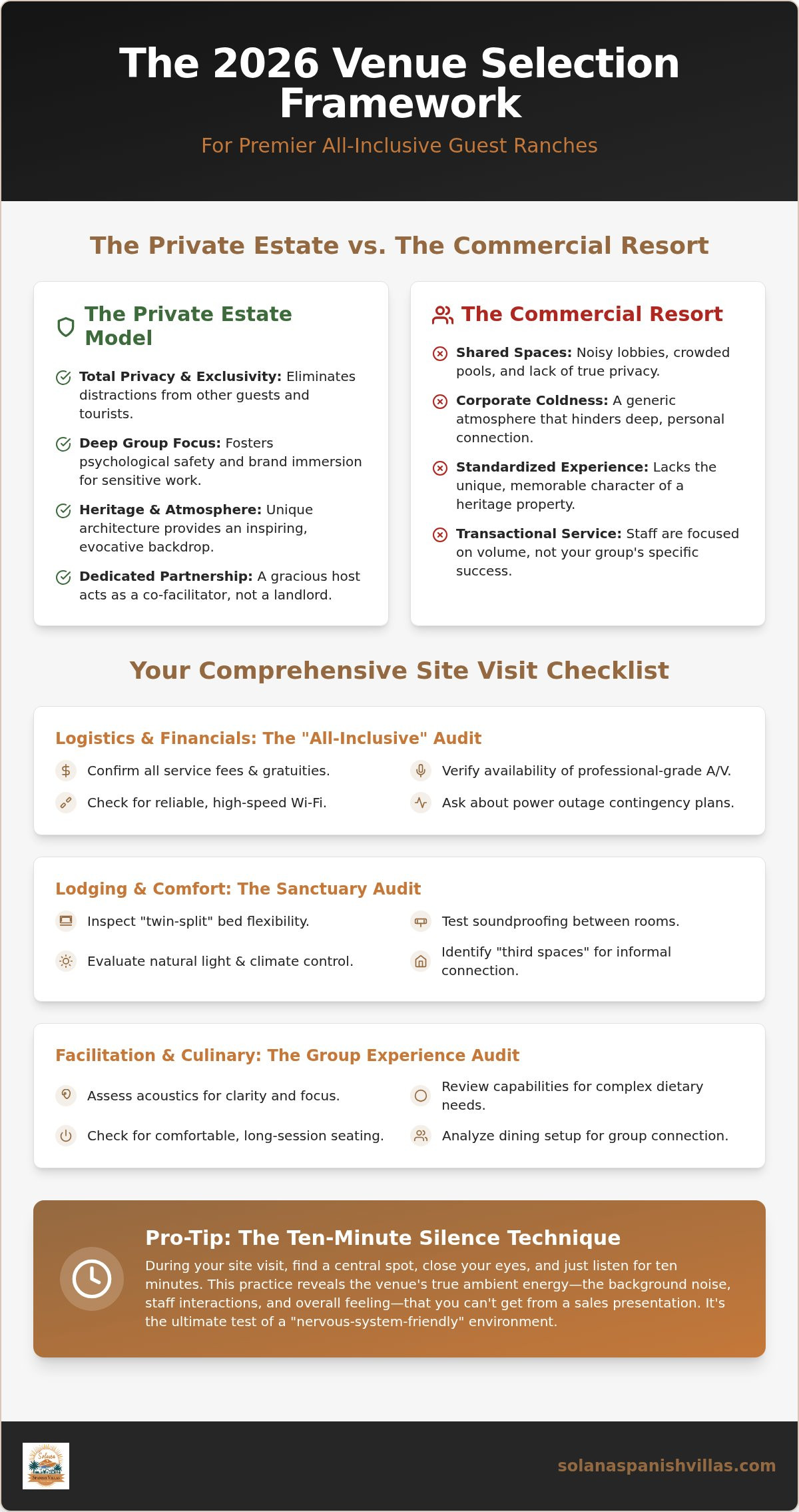
A private estate model offers a level of group intimacy that sprawling commercial resorts simply cannot match. When you opt for a full buyout, you eliminate the corporate coldness of shared lobbies and noisy tourist crowds. This total privacy allows for deep brand immersion and the psychological safety necessary for sensitive group work. Heritage-rich architecture, specifically 1920s villas with their hand-plastered walls and intimate courtyards, creates an evocative atmosphere that fosters reflection and renewal. During your visit, assess the venue’s stewardship. You’re looking for a gracious host who acts as a dedicated partner in your event’s success, rather than a distant landlord who only provides a key and a room.
Common All-Inclusive Exclusions to Audit
The label of “all-inclusive” requires a careful audit to avoid mid-retreat surprises that can derail your focus. Many venues include the basics like food and beds but omit the specialized tools required for high-stakes facilitators. Verify the availability of professional-grade sound systems, meditation cushions, or comfortable seating specifically designed for long sessions. It’s also essential to uncover hidden service fees, administrative costs, or gratuities that aren’t clearly stated in the initial quote. You should also consult this guide on Essential questions to ask a retreat venue to refine your financial planning. Don’t forget to ask about transportation logistics for remote locations and power contingency plans, as these variables can create significant stress if they aren’t managed early in the process.
The Lodging Audit: Assessing Comfort and Group Dynamics
A high-stakes retreat lives or dies by the quality of rest your participants achieve. When you audit an all inclusive guest ranch, the lodging inspection goes beyond counting beds; you’re looking for a sanctuary that supports the heavy emotional and intellectual lifting of your program. Begin by verifying the flexibility of room configurations. A premier venue should offer “twin-split” options, where a King bed can be converted into two separate XL twins. This versatility allows you to maximize your budget and group size without compromising the personal space of your attendees.
Privacy is the cornerstone of a “nervous-system-friendly” environment. During your walkthrough, conduct a soundproofing test between shared walls and floors. If a guest can hear their neighbor’s phone call, they won’t feel safe engaging in deep reflection or sensitive group work. Beyond the walls, perform a sensory check of every room. Test the natural light levels, ensure the climate control operates with a quiet hum rather than a distracting rattle, and feel the quality of the linens. High-thread-count sheets and plush towels aren’t just luxuries. They’re essential tools for reducing travel anxiety and facilitating physical renewal. Savvy organizers also consider scheduling a weekday retreat to enjoy greater property availability and reduced rates during their lodging audit process.
Room Assignment and Social Cohesion
The physical floor plan of a ranch significantly impacts group energy. When you explore private property layouts for your next group, look for the presence of “third spaces.” These are the communal lounges, shaded courtyards, and quiet outdoor nooks that exist between the private bedrooms and the formal meeting areas. These spaces foster informal connection and spontaneous breakthroughs that often don’t happen in a structured session. A well-designed layout ensures that while guests have a private retreat, they’re never more than a few steps away from a welcoming communal hearth.
The Heritage Factor in Guest Comfort
Historic 1920s-style villas offer an evocative “escape” narrative that modern hotels cannot replicate. This sense of history provides a grounding atmosphere that encourages guests to disconnect from their digital lives. However, heritage must never come at the expense of modern reliability. Ensure the venue adheres to the highest Dude Ranchers’ Association standards regarding clean, well-maintained accommodations. Your audit must verify that Wi-Fi strength is consistent across the property and that power outlets are conveniently located for modern devices. If you’re looking for a space that balances this old-world charm with boutique sophistication, you might consider how a private estate buyout can provide the ultimate tailored experience for your facilitators and guests alike.
Facilitation Spaces: Auditing for Focus and Transformation
A transformative retreat requires an environment that breathes with the work being done. When you step onto an all inclusive guest ranch, your first instinct might be to admire the vista, but a professional audit begins with the ears. True privacy means your sessions aren’t overheard by kitchen staff or other guests. In a private estate setting, this boundary is inherent, allowing for the vulnerability required in deep-focus work. You should also walk the primary meeting space to test the flooring. Is it soft enough for a morning meditation yet firm enough for movement? Does the lighting adjust from a bright, strategy-focused glow to the soft, warm amber needed for evening reflection?
Technical reliability is the backbone of a seamless experience. Even in a remote, scenic setting, your AV and connectivity must be flawless. Test for Wi-Fi “dead zones” in the transition areas between indoor rooms and outdoor patios. Guests often find their greatest breakthroughs during a walk, and they shouldn’t lose their connection to digital resources or recording tools. High-quality venues often adhere to The Dude Ranchers’ Association standards, ensuring that while the setting feels like a step back in time, the utility remains firmly in the present. This balance allows the psychological benefits of the desert landscape to enhance, rather than hinder, your group’s productivity.
The Facilitator’s Command Center
The facilitator’s experience is often overlooked in generic venue descriptions, yet it’s critical for a successful program. You need a dedicated command center. During your site visit, inspect for secure storage where you can keep props, materials, and snacks without hauling gear across the property every morning. Identify facilitator-only zones where you can take a mid-day rest or refine the afternoon’s agenda in total peace. A functional space should include ample power for recording equipment, adjustable lighting, and expansive whiteboard surfaces that don’t clash with the historic aesthetic.
Atmospheric Alignment
Ensure the venue’s “vibe” aligns perfectly with your retreat’s theme. If your goal is historical renewal, the thick adobe walls and hand-carved beams of a 1920s-style villa provide a grounding atmosphere that modern hotels cannot mimic. Evaluate the outdoor breakout spaces as well. Can a small group discuss strategy under a shaded ramada without being distracted by the main house? The indoor-outdoor flow should feel natural and inviting. As you plan the logistics of your event, you might also find value in our guide on how to price a wellness retreat for profitability to ensure your financial framework is as robust as your surroundings.
Culinary Excellence and Group Dining Logistics
The kitchen is the heart of any all inclusive guest ranch, providing the fuel for transformation and the setting for your most profound communal moments. During your site visit, your audit must go beyond a simple tasting. You need to verify the culinary team’s proficiency in handling complex dietary requirements. In 2026, a high-end venue should seamlessly manage vegan, keto, and allergen-free menus without making those guests feel like an afterthought. Ask about the service rhythm. A professional hospitality partner understands that a retreat has a specific flow; staff must be invisible during deep work and attentive during breaks, ensuring that the rattle of silverware never interrupts a breakthrough moment.
Consider how different service styles impact your group’s bonding. While a plated meal offers a sense of refined elegance, a family-style service often encourages participants to interact and share, acting as an informal extension of your facilitation. You should also check the accessibility of hydration and snack stations. High-quality refreshments, such as artisanal local nuts or fresh fruit, should be available outside of scheduled meal times to maintain steady energy levels throughout the day. If you’re looking for a venue that prioritizes this level of detail, you can book a private estate buyout to ensure every meal is tailored to your group’s specific needs.
The Psychology of Communal Dining
The dining table is perhaps your most important “soft” facilitation space. It’s where the insights of the day are digested and integrated through casual conversation. When you inspect the dining area, pay close attention to the acoustic comfort. High ceilings and hard surfaces can create a cacophony that makes intimate talk impossible. Look for soft lighting and thoughtful table settings that honor the ranch’s heritage. Using locally sourced, artisanal ingredients doesn’t just improve the flavor; it connects your guests to the land, enhancing the overall sense of escape and renewal. It’s this fusion of old-world charm and modern quality that defines a truly memorable retreat experience.
Coffee and Tea: The Critical Logistical Audit
Never underestimate the impact of an early-morning beverage service. If your program includes sunrise meditation or dawn hikes, the coffee must be ready and the tea selection must be diverse. Test the speed and accessibility of refreshment replenishment during your walkthrough. A delay in the morning caffeine fix can create a subtle undercurrent of frustration that lingers into your first session. Managing these small details is just as vital as your retreat registration and payment strategy for ensuring a seamless attendee experience. A true partner in hospitality will ensure these logistical gears turn silently in the background, allowing the all inclusive guest ranch to support your leadership rather than distract from it.
The Final Site Visit Debrief: From Walkthrough to Contract
Before you depart the grounds of an all inclusive guest ranch, you must perform one final, essential ritual: the Ten-Minute Silence. This involves walking the property alone, without the influence of sales staff or guides, to truly absorb the energy of the space. Listen to the wind through the trees; notice the way the light hits the historic plaster; feel if the silence is tranquil or merely empty. This is your “gut check” moment. You’re looking for an environment that feels like a dedicated partner in your retreat’s success, rather than just a collection of buildings. If the space doesn’t resonate with you now, it won’t resonate with your participants during a high-stakes session.
Transitioning from the emotional to the logistical requires a hard look at the written agreement. Ensure every verbal promise made during your tour, from specific refreshment timings to the exclusive use of certain courtyards, is reflected in the final contract. A premier all inclusive guest ranch should also present a clear contingency plan for remote-area variables. Ask what happens during a sudden power outage or if inclement weather forces an outdoor session inside. A venue that is prepared for these “what-ifs” demonstrates the stewardship and attention to detail necessary for a professional-grade retreat. You may also want to explore the strategic advantage of a weekday retreat when locking in your dates, as mid-week bookings can unlock significant cost savings and greater venue exclusivity for 2026.
Weighted Scoring for Venue Comparison
After the visit, use your photos and videos to conduct a post-tour debrief. It’s easy to miss small details, like a chipped tile or a flickering bulb, when you’re caught up in the narrative of the tour. Use a weighted scoring system to compare boutique estates against larger resorts. While a resort might offer more amenities, a boutique estate often wins on privacy and brand immersion. Once you’ve secured the perfect venue, you can shift your focus to marketing ideas to fill your group retreat and ensuring your message reaches the right audience.
Securing the Group Buyout
The private estate model is highly sought after for 2026 dates, making early booking essential. When reviewing the contract, pay close attention to deposit structures and cancellation windows. Because these venues often operate on a group buyout model, they have stricter policies than standard hotels. Securing your dates early ensures you have the time needed to build a cohesive program without the stress of losing your preferred sanctuary. To begin this journey, you can book a private estate consultation for your 2026 retreat and start tailoring a heritage-rich experience for your guests.
Finalizing Your Sanctuary Selection for 2026
Your journey toward a truly transformative event begins with a single, meticulous walkthrough. By prioritizing a rigorous lodging audit and verifying the technical flow of your facilitation spaces, you ensure that every logistical variable supports your group’s focus. A premier all inclusive guest ranch should feel like a sanctuary where heritage architecture and modern boutique amenities coexist in perfect harmony. Trust your final “gut check” during the ten-minute silence; the right venue acts as a silent partner in your success, holding the space for breakthrough moments and deep renewal.
Our boutique private villas offer maximum exclusivity within heritage-rich 1920s environments designed specifically for focus and restoration. We provide dedicated support for professional wellness and corporate leaders who require more than just a scenic backdrop. When you choose a private estate model over a generic resort, you’re investing in the psychological safety and intimacy that your participants deserve. We understand that the journey of discovery is just as important as the final destination.
Secure Your Private Estate for 2026 and begin the journey of discovery with a partner who values tradition as much as you value your guests’ experience. We look forward to welcoming you to a place where history and hospitality meet.
Frequently Asked Questions
What is the most commonly overlooked logistical detail on a guest ranch site visit?
The most commonly overlooked detail is the acoustic relationship between the service kitchen and your primary facilitation space. You don’t want the clatter of silver or staff conversations to break the silence during a deep meditation or a sensitive strategy session. During your visit, ask the staff to simulate meal preparation while you stand in the meeting room. This ensures that the hospitality remains a silent, supportive background element rather than a distracting interruption to your program.
How many months in advance should I conduct a site visit for an all-inclusive guest ranch?
You should ideally conduct your site visit 6 to 12 months before your desired retreat date. Because a premier all inclusive guest ranch often operates on a private estate model, high-season dates for 2026 are frequently secured a year in advance. Visiting early allows you to experience the property in a similar season to your planned event. It also gives you ample time to refine your contract and marketing materials based on the specific physical layout you’ve inspected.
Is it worth paying for a site visit if the venue is located across the country?
Investing in a cross-country site visit is essential for high-stakes retreats where group privacy and technical reliability are non-negotiable. Photos can capture the beauty of 1920s architecture, but they can’t convey the “energy” of a space or the responsiveness of the staff. A physical visit allows you to perform the “Ten-Minute Silence” and verify that the venue truly acts as a hospitality partner. This upfront cost prevents expensive logistical failures that could damage your reputation.
What are the red flags to look for in an all-inclusive retreat contract?
Look for vague language regarding “service fees” or “gratuities” that aren’t included in the initial quote. A transparent all inclusive guest ranch contract should clearly list what is excluded, such as:
- Specialized AV equipment or high-speed Wi-Fi surcharges.
- Specific transportation logistics for remote arrival.
- Inclement weather or power outage contingency plans.
Ensure every verbal promise made during your walkthrough is written into the agreement to protect your retreat’s financial and operational integrity.
How do I evaluate a guest ranch’s Wi-Fi if my retreat requires digital connectivity?
Evaluate connectivity by performing a live speed test in every room, including outdoor courtyards and remote transition paths. Don’t rely on the venue’s verbal assurances of “high-speed” access. If your retreat involves live-streaming or heavy digital collaboration, bring a laptop to test the signal strength during peak usage times. Ask about the property’s backup systems. A reliable venue should have a secondary connection or a robust technical support protocol to handle remote connectivity challenges without any stress.
Should I bring a professional event planner with me on the site visit?
Bringing a professional event planner is highly recommended if your retreat involves complex culinary requirements or multi-layered scheduling. While you focus on the transformation of your guests, a planner can audit the “back of house” logistics. They’ll spot potential bottlenecks in service flow or inadequacies in the facilitation command center that you might miss. This partnership ensures that both the evocative atmosphere and the functional hospitality standards are met with professional-grade scrutiny.
What happens if the guest ranch doesn’t meet the aesthetic standards shown in their photos?
If the physical property doesn’t match the digital marketing, address the discrepancy immediately with the venue manager. Ask if renovations are scheduled before your 2026 date or if specific rooms can be styled to meet your standards. If the gap is too wide, it’s a sign that the venue’s stewardship doesn’t align with your needs. It’s better to lose a small travel investment on a site visit than to host a retreat in a space that feels deceptive to your guests.
How do I negotiate for better all-inclusive terms after completing a site visit?
Negotiate by leveraging the value of a full group buyout and your potential for repeat annual bookings. If the site visit revealed minor shortcomings, such as dated linens or a lack of yoga mats, ask the venue to include these upgrades as part of the contract. You can also negotiate for more flexible check-in times or customized refreshment schedules that better suit your facilitation flow. A gracious host who values your partnership will often adjust terms to ensure a seamless experience.
0 Comment