
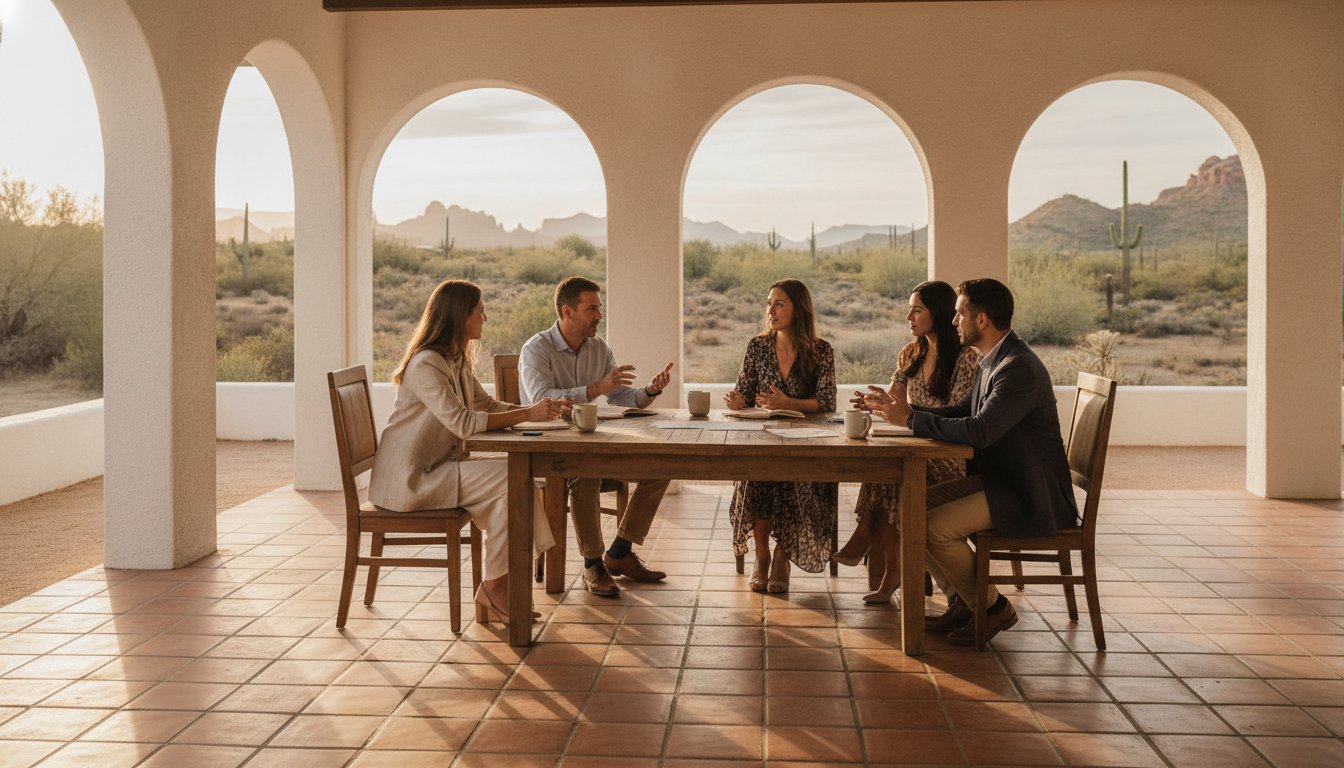

What if the most important work your team does this year happens entirely outside the walls of your office? With global employee engagement falling to just 21% in 2024, the stakes for bringing people together in a meaningful way have never been higher. Most leaders understand that a change of scenery is necessary, yet they often struggle to define what makes a successful company offsite in a way that yields a real return on investment. You may feel the pressure of balancing rigorous deep work with genuine team bonding, fearing that a poorly planned retreat might become an expensive distraction rather than a strategic catalyst for growth.
In this guide, we’ll explore the five essential pillars that transform a standard corporate meeting into a high-impact strategic retreat. You’ll learn how to move away from the coldness of traditional conference rooms and toward an evocative atmosphere that fosters radical candor and renewed motivation. We will provide a clear framework for creating a strategic roadmap, ensuring your leadership team leaves with concrete action items and a refreshed sense of purpose. This journey will show you how to curate an experience that aligns your team and drives real business results through a sophisticated blend of modern hospitality and focused, tranquil planning.
Key Takeaways
- Move beyond the concept of “mandatory fun” by redefining your retreat as a high-impact strategic tool designed for radical team alignment.
- Master the delicate balance between focused “Deep Work” sessions and unstructured connection time to drive both productivity and authentic bonding.
- Discover what makes a successful company offsite by selecting tranquil, nature-centered environments that foster mental clarity and reduce corporate stress.
- Implement a methodical 90-day planning roadmap to ensure seamless logistics, covering everything from private estate buyouts to personalized room assignments.
- Leverage the unique atmosphere of boutique guest ranches to provide a sense of place and heritage that traditional corporate hotels cannot replicate.
Redefining the Modern Company Offsite: Impact Over Attendance
The landscape of corporate gatherings has undergone a profound transformation. In 2026, leadership teams are moving away from the era of “mandatory fun” and toward a model of strategic necessity. Understanding what makes a successful company offsite requires a shift in perspective. It’s no longer just about filling a room; it’s about fostering deep alignment and renewal. While traditional Corporate entertainment often focused on superficial perks, the modern offsite serves as a vital tool for solving high-level problems that the daily grind simply doesn’t allow for. It is a dedicated time to break the routine and engage with the business’s future in a meaningful way.
A standard hotel meeting room, with its fluorescent lights and windowless walls, often acts as a mental cage. It keeps teams tethered to the very patterns they are trying to break. A successful offsite, by contrast, utilizes a dedicated retreat environment to act as a “gracious host” for innovation. It’s a space where the architecture and the natural surroundings work in tandem to lower cortisol and open the mind. When you remove the distractions of the office, you create a vacuum that can only be filled by strategic clarity and collaborative breakthroughs.
Moving Beyond “Meetings in a Different Zip Code”
Simply changing your location doesn’t guarantee a change in mindset if the new room looks exactly like the old one. There is a specific psychological benefit to a complete environmental shift. When a team steps into a boutique setting rich with heritage and atmospheric charm, the brain recognizes that the rules have changed. This “environmental reset” is a core component of what makes a successful company offsite. It encourages the kind of “out-of-the-box” thinking that is impossible to achieve in a sterile corporate office. The tranquility of a private estate allows for a level of focus that standard hospitality venues often lack, providing a sense of escape that is both professional and deeply personal.
Establishing Clear, Measurable ROI for Leadership
For leadership, a retreat isn’t an expense; it’s an investment in cultural capital. To ensure this investment pays off, you must define success metrics before the first day begins. This clarity allows you to track progress long after the team has returned home. Consider these primary metrics for your next retreat:
- Alignment Speed: How quickly the team reaches consensus on major quarterly goals.
- Retention Rates: Tracking long-term loyalty, noting that 83% of workers view corporate travel as a valued job benefit.
- Action Item Completion: The percentage of strategic initiatives launched within 30 days of the retreat.
By following a 2026 Strategic Planning Retreat Agenda: A Leader’s Guide, you can transform vague goals into a concrete roadmap for the coming year. This structured clarity ensures that every moment spent away from the desk contributes directly to the bottom line, turning a simple trip into a powerful catalyst for business results.
The Three Pillars of a High-Impact Strategic Agenda
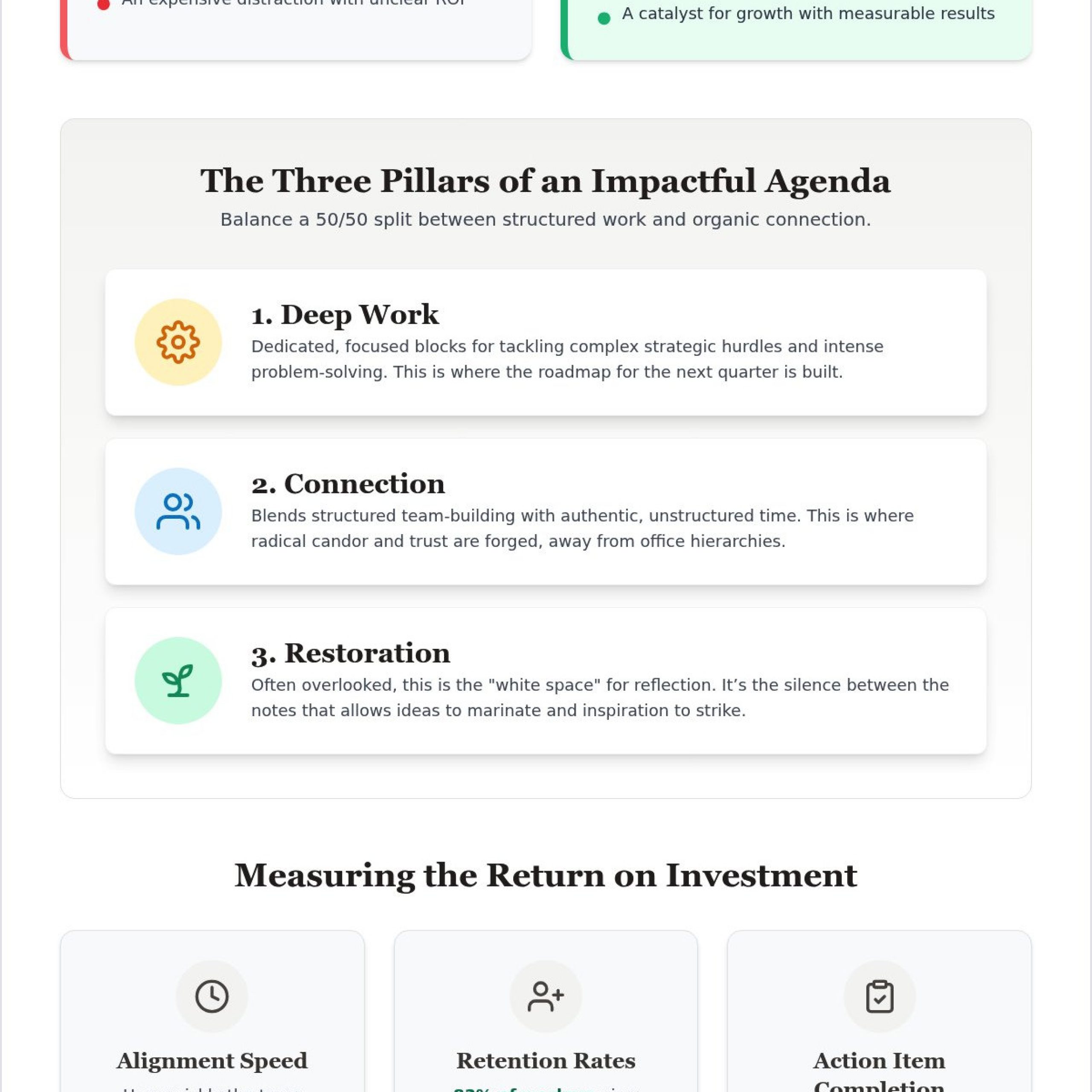
A truly impactful agenda acts as the heartbeat of a retreat. It requires a delicate architecture, moving away from the rigid structures of the office and into a rhythm that honors both the mind and the spirit. When considering what makes a successful company offsite, the secret lies in the Three Pillars: Deep Work, Connection, and Restoration. A high-impact schedule is never 100% rigid. Instead, it thrives on a 50/50 split between carefully curated sessions and fluid time that allows for organic breakthroughs. This balance ensures that the team remains engaged without feeling overwhelmed by a packed itinerary.
- The Deep Work Pillar: These are dedicated blocks, often in the morning when focus is sharpest, for tackling complex strategic hurdles and intense problem-solving.
- The Connection Pillar: This blends structured team-building exercises with the raw, authentic moments that occur naturally in a shared, intimate space.
- The Restoration Pillar: Often overlooked, this provides the “white space” necessary for reflection. It’s the silence between the notes that makes the music, allowing ideas to marinate and settle.
Balancing Strategic Deep-Dives with Authentic Connection
To drive results, you must avoid “death by PowerPoint.” In a boutique setting, the environment itself should do the heavy lifting. Swap sterile boardrooms for sun-drenched patios or historic lounges where the heritage of the venue can spark storytelling and fresh perspectives. Communal dining plays a vital role here. Sitting around a large, hand-hewn table for a long lunch fosters a level of cohesion that a quick catering tray never could. It’s in these unscripted moments that the most stubborn barriers begin to dissolve, paving the way for genuine collaboration.
The Importance of Facilitation and Psychological Safety
Creating a “safe harbor” for radical candor is essential for progress. While the CEO is the visionary, they shouldn’t always lead every session. Stepping back allows the leader to observe and participate as a peer, which is crucial for establishing psychological safety. Professional facilitators can navigate difficult conversations with a neutral touch, ensuring every voice is heard and every perspective is valued. This expertise is part of what makes a successful company offsite truly transformative. For those seeking this level of intimacy and focus, exploring a private guest ranch can provide the perfect backdrop for these deep, restorative discussions.
Why the Physical Environment Dictates Strategic Outcomes
The physical space where your team gathers acts as a silent participant in every discussion. While many planners focus solely on the itinerary, environmental psychology suggests that the setting itself is a primary driver of cognitive performance. What makes a successful company offsite is often the transition from a high-stress, sterile office to a place of “soft fascination.” This shift reduces cortisol levels and clears the mental clutter that accumulates during the workweek. Atmospheric spaces, characterized by architectural heritage and a deep sense of place, lead to more evocative and creative discussions than any standard boardroom ever could.
Blending rugged heritage with modern comfort creates what we call the “Guest Ranch” effect. It provides a grounded, authentic backdrop that encourages participants to shed their corporate personas and engage as humans. This shift is reflected in a 308% surge in popularity for countryside retreats between 2023 and 2024, as companies seek environments that promote wellness and renewal. This unique fusion of old-world charm and contemporary refinement is detailed in The Ultimate Guide to Corporate Retreat Venues, which highlights how the right location elevates an executive offsite from a simple meeting to a transformative experience.
The Science of “Soft Fascination” and Cognitive Restoration
Nature has a remarkable ability to restore mental energy through a process known as Attention Restoration Theory. Scenic desert or ranch settings offer “soft fascination,” which captures the attention without requiring the intense, draining focus needed for digital tasks. Natural light and expansive open spaces are essential for effective brainstorming, as they physically mirror the mental expansion required for innovation. When a team hits a cognitive stalemate, moving a session outdoors into the fresh air can break the deadlock, allowing the environment to act as a catalyst for fresh perspectives.
Privacy as a Catalyst for Executive Vulnerability
If the physical environment is the stage, then operational excellence is the stagecraft that makes the strategic performance possible. While high-level planning often focuses on the “what,” the “how” is what truly determines the outcome. Seamless logistics act as an invisible driver of impact. When every detail flows effortlessly, the leadership team can remain in a state of deep focus. A 90-day planning timeline is the gold standard for ensuring this level of precision. This process begins with venue selection three months out, followed by agenda finalization at the 60-day mark, and final logistical details, such as room assignments and dietary requirements, 30 days before arrival.
What makes a successful company offsite often hinges on the delicate balance between community and personal privacy. In a boutique guest ranch setting, room assignments require a thoughtful touch. Providing executives with private, well-appointed sanctuaries ensures they have the space to decompress after intense collaborative sessions. This “gracious host” approach moves away from the coldness of traditional hotels, emphasizing comfort and heritage. By managing the group flow with a quiet, methodical authority, the host ensures that the transition from a strategy session to a social hour feels natural and unforced. This same commitment to precision is what defines Swiss Epic Tours, which specializes in managing complex logistics for private, driver-guided journeys that prioritize the traveler’s focus and comfort.
Modern retreats are moving beyond standard catering toward experiential dining. The food should be more than just fuel; it’s a tool for cultural integration. Sitting together around a historic dining table for a chef-led experience fosters a level of cohesion that a quick buffet cannot match. Meal timing is equally critical. A heavy, carb-laden lunch can lead to a significant energy drop in the afternoon, potentially derailing a vital brainstorming session. Instead, opt for lighter, nutrient-dense menus that keep the mind sharp and the body energized for the work ahead. To complement these culinary experiences, you can explore Per-person private tour booking fees for a chauffeured wine tour that provides an elegant backdrop for further team connection.
Managing the Logistics of Small vs. Large Groups
The logistical needs of a small company retreat, typically between 10-30 people, differ significantly from larger corporate events. In this intimate range, the goal is to ensure every voice is heard and every participant feels integrated into the narrative. A boutique setting allows for a level of personalization that is impossible at scale. For a deeper look at how to manage these immersive environments, see our guide on Event Venues with Lodging: Immersive Hosting in 2026. For those ready to begin their journey, you can book a private estate for your next retreat to ensure total confidentiality and operational excellence.
Choosing the Right Venue: The Boutique Estate Advantage
The final decision in your planning journey is perhaps the most critical. While the agenda and the participants provide the content, the venue provides the container. When determining what makes a successful company offsite, the choice between a sprawling corporate hotel and an intimate boutique estate can fundamentally alter the group’s trajectory. Large resorts often prioritize volume over value, leaving teams to contend with crowded lobbies and sterile, windowless ballrooms. A private guest ranch, however, offers a sense of place that grounds the experience in heritage and tranquility, allowing for a level of focus that is simply unattainable in a public setting.
Choosing a boutique environment means opting for a “gracious host” who understands the nuances of professional hospitality. It is about moving away from the coldness of traditional corporate service and toward an experience that feels both personal and professional. This shift in atmosphere is what transforms a standard meeting into a strategic retreat that resonates long after the team has departed. For leadership teams of 10-30 people, the intimacy of a private villa or ranch provides the perfect backdrop for the deep work and authentic connection discussed in earlier sections.
Why Private Buyouts Trump Traditional Hotels
A private estate buyout offers a superior level of service because the entire property is dedicated to your mission. You gain total control over the environment and the schedule, ensuring that every detail aligns with your company culture. There are no competing events, no noisy tourists in the next room, and no distractions from other hotel guests. This exclusivity creates a “safe harbor” where your team can speak freely and think deeply. You can customize the physical space to reflect your brand’s values, turning a temporary residence into a temporary headquarters that feels truly your own.
Integrating Heritage and Modern Comfort
There is an evocative power in historic 1920s architecture that modern hotels cannot replicate. These spaces carry a sense of nostalgia and craftsmanship that inspires a similar dedication to quality within your team. However, a successful venue must balance this old-world charm with contemporary refinement. It’s essential to ensure that modern professional needs, such as high-speed Wi-Fi and seamless AV capabilities, are met without losing the soul of the property. This fusion of history and functionality is part of what makes a successful company offsite truly memorable. If you are ready to elevate your executive experience, you can plan your next successful offsite at Solana Spanish Villas, where heritage and modern hospitality meet.
Charting the Path to Strategic Renewal
Designing a high-impact retreat requires more than just a change of scenery; it demands a deliberate architecture that balances intense strategic planning with restorative connection. By understanding what makes a successful company offsite, you move beyond the limitations of standard corporate meetings and into a space of radical alignment. True breakthroughs happen when you combine a methodical 90-day planning timeline with an environment that fosters psychological safety and creative vulnerability.
A private guest ranch buyout provides the total confidentiality your leadership team needs to solve complex problems. Our historic 1920s heritage meets modern comfort, offering dedicated event spaces designed specifically for strategic planning. When you choose an evocative, boutique setting, you aren’t just booking a venue; you’re securing a catalyst for your company’s future growth. We invite you to view our private estate for your next successful offsite and experience the difference of a truly curated retreat. Your team’s next great chapter begins in a place of tranquility and focus.
Frequently Asked Questions
How long should a successful company offsite last?
Research suggests that the average duration for a productive retreat is between three and four days. This specific timeframe allows your team enough room for intense deep work sessions, meaningful team bonding, and the necessary restoration without leading to burnout. Shorter trips often feel rushed and transactional, while longer ones can become a distraction from core operations. A three-day stay provides the perfect rhythm for a strategic reset and authentic connection.
What is the ideal group size for a productive strategic retreat?
For a high-impact strategic retreat, a group size of 10 to 30 people is often considered the gold standard. This range is small enough to ensure every voice is heard during deep-dive discussions but large enough to represent diverse perspectives across the leadership team. Boutique settings are specifically designed to accommodate these intimate groups, fostering a “safe harbor” environment that larger, impersonal venues simply cannot provide for sensitive conversations.
How do you balance work sessions and team-building activities?
A 50/50 split between structured strategic work and fluid connection time is the most effective framework for growth. You should schedule intense problem-solving blocks in the morning when cognitive focus is highest, leaving the afternoons for collaborative activities or “white space” for reflection. This balance is a key factor in what makes a successful company offsite, as it prevents mental fatigue and encourages the organic breakthroughs that happen outside of formal meetings.
Why is a private venue better than a hotel for an executive offsite?
Private venues offer total confidentiality and a superior level of dedicated service that traditional corporate hotels cannot match. In a private estate, there are no competing events, noisy crowds, or public distractions, which is critical for sensitive board-level discussions. This exclusivity creates an intimate, atmospheric setting where executives feel secure enough to engage in radical candor, ensuring that your most vital strategic conversations remain entirely private and focused.
How do I ensure the decisions made at the offsite are actually implemented?
To ensure implementation, assign a clear owner and a 30-day deadline to every action item before the retreat concludes. You should document the strategic roadmap in real-time and schedule a formal follow-up meeting precisely two weeks after returning to the office. Tracking metrics like alignment speed and decision implementation ensures that the offsite results in a tangible return on investment rather than simply being a pleasant but unproductive trip away from the desk.
What are the most common mistakes when planning a company offsite?
The most frequent error is overpacking the agenda with back-to-back meetings, which leaves no room for the restoration that makes a successful company offsite possible. Other common mistakes include choosing a sterile environment that mimics the office and failing to define clear success metrics beforehand. Neglecting the “gracious host” aspect of hospitality can also leave your participants feeling drained rather than refreshed and motivated for the high-level work required for the coming year.
Should we hire an external facilitator for our retreat?
Hiring an external facilitator is highly recommended for retreats focused on high-stakes strategic planning or significant cultural shifts. A neutral third party can navigate difficult conversations and ensure the CEO is able to participate as a peer rather than just a leader. This creates a level of psychological safety that allows for more honest, productive dialogue and prevents the sessions from becoming one-sided or stuck in existing office hierarchies.
How far in advance should I book a corporate retreat venue?
You should aim to book your retreat venue at least 90 days in advance to secure the best dates and allow for thorough operational planning. This three-month window provides ample time to customize the culinary experience, manage room assignments, and finalize the strategic agenda with your leadership team. Booking early also ensures that you can secure a private estate buyout, providing the exclusivity and confidentiality required for a high-impact executive gathering.
0 Comment