
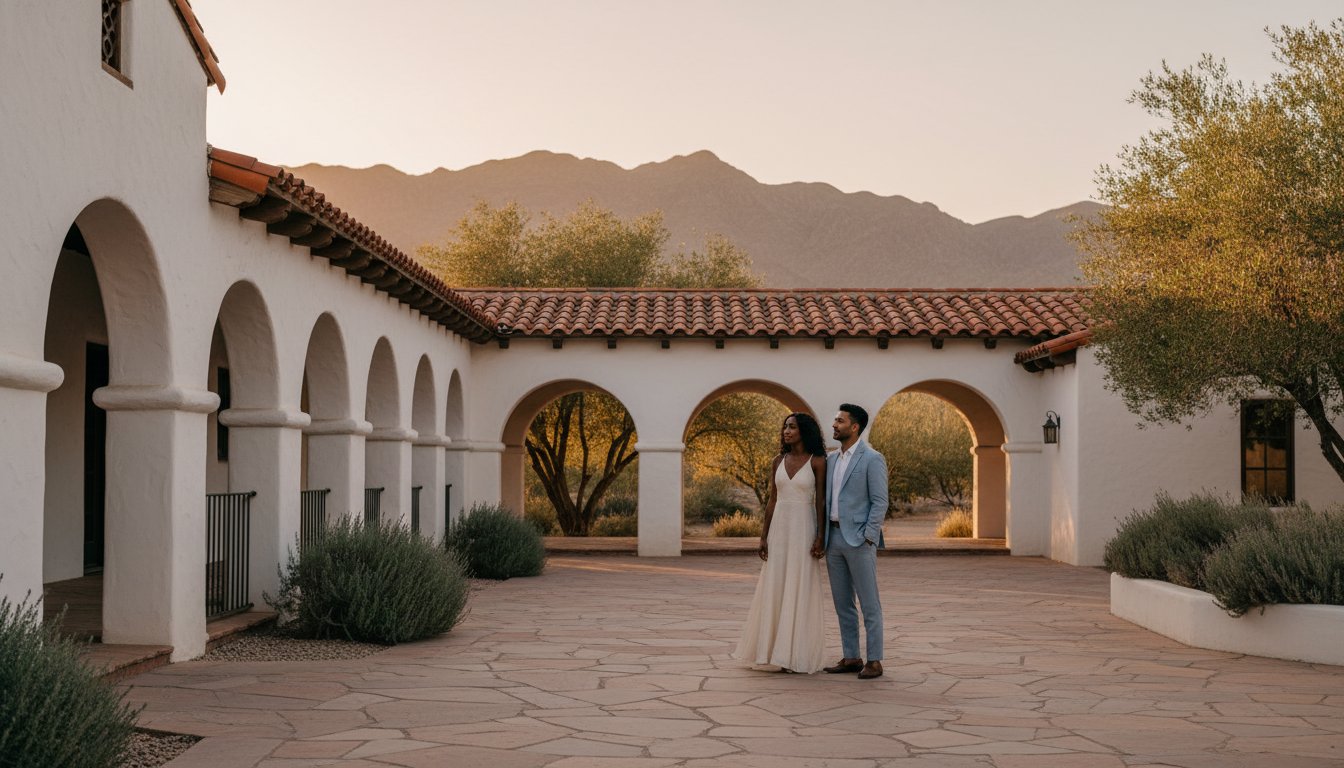

Your wedding shouldn’t feel like a staged production at a crowded resort; it should feel like a chapter in a story that began centuries ago. For couples planning their 2026 nuptials, the search for an authentic spanish style wedding venue often starts with a desire for timeless beauty but ends in a struggle against kitschy, Mediterranean-inspired imitations. You likely want more than a simple backdrop. You’re searching for a private sanctuary where the architecture speaks of heritage and the layout allows your guests to settle in for a full weekend of celebration.
We agree that the logistical stress of coordinating separate lodging and venue spaces shouldn’t overshadow your romance. In this guide, you’ll discover the architectural hallmarks and essential amenities that define a premier Spanish style wedding venue. We will preview how to find a space that tells a story of craftsmanship while providing the privacy and seamless experience you deserve for your 2026 celebration. From hand-carved wood details to the multi-day wedding trends defining the coming year, we’ll help you curate an event that is both modern and enduring.
Key Takeaways
- Identify the essential architectural hallmarks, such as white-washed stucco and terracotta tiles, that distinguish an authentic heritage site from a modern imitation.
- Learn how central courtyards and arched porticos function as both dramatic photography backdrops and intimate social hubs within a premier spanish style wedding venue.
- Discover the logistical advantages of on-site lodging, which eliminates guest transport stress and allows for a cohesive, multi-day wedding weekend.
- Explore 2026 design trends that pair traditional craftsmanship with sophisticated color palettes like dusty blue, sage green, and organic floral compositions.
- Gain insight into how a historic 1920s estate provides the privacy and character necessary for a wedding that feels like a personal retreat rather than a commercial event.
What Defines a Spanish Style Wedding Venue?
Step through the heavy, hand-carved wooden doors of a true spanish style wedding venue and the modern world seems to fall away. It’s a sensory experience defined by thick, white-washed stucco walls that remain cool even in the height of the desert afternoon. These structures are typically crowned with the rhythmic, sun-baked curves of red terracotta roof tiles and supported by heavy timber beams that provide a sense of grounded, earthy luxury. This isn’t merely an aesthetic choice; it’s a sophisticated blend of old-world romance and modern hospitality that feels both prestigious and deeply personal.
For the modern couple, it’s helpful to distinguish between the specific architectural movements that define these spaces. While many commercial locations claim a generic Mediterranean feel, an authentic experience often draws from Spanish Colonial Revival architecture, a style that gained immense popularity in the early 20th century for its romanticized view of history. You may also encounter the Mission Revival style, characterized by its simpler lines and iconic curved gables, or the Hacienda style, which emphasizes expansive ranch-style living. Each of these styles contributes to a profound sense of place, ensuring your destination wedding feels rooted in the local landscape and heritage rather than simply transposed onto it.
The Significance of the Hacienda Layout
The traditional Hacienda layout is fundamentally inward-facing, a deliberate design choice that prioritizes guest privacy and family intimacy above all else. By centering the life of the home around a protected central courtyard, the venue creates an intuitive, graceful flow for your celebration. Your guests can move seamlessly from a sun-drenched ceremony in the gardens to a shaded cocktail hour under the porticos, eventually gathering for a moonlit reception in the heart of the villa. This structural layout fosters the “gracious host” atmosphere of a private estate, offering a level of seclusion you won’t find at a public hotel or a large commercial resort.
Architectural Heritage as a Design Element
When you choose a venue with genuine history, the architecture itself performs much of the heavy lifting for your wedding decor. Intricate wrought iron gates, delicate balconies, and vibrant, hand-painted Talavera tiles serve as built-in artistic details that require little enhancement. These materials possess a timeless quality that ensures your wedding photography will look as elegant in twenty years as it does today. The natural patina on a weathered copper fountain or the deep grain of a centuries-old door adds a layer of soul to the celebration. This commitment to historic preservation transforms a simple event space into a living piece of heritage that tells a story of craftsmanship and endurance.
Essential Architectural Features of a Luxury Spanish Villa
A premier spanish style wedding venue isn’t just a collection of aesthetic choices; it’s a functional masterpiece of climate-responsive design. The central courtyard serves as the heart of the villa, offering a protected sanctuary for an alfresco reception that remains shielded from the wind and prying eyes. Encircling this space, arched porticos provide dramatic framing for your processional walk while offering essential shade for guests during the cocktail hour. These covered walkways create a rhythmic transition between the open sky and the cool interior, ensuring comfort without sacrificing the outdoor atmosphere.
Inside, the rustic warmth of exposed wood beams adds a sense of Western heritage to dining halls, grounding the luxury of the event in visible craftsmanship. This architectural language is often rooted in Spanish Colonial Missions Architecture, where every material had a specific purpose. Stone fountains aren’t merely decorative; they act as natural sound machines, creating a tranquil, cooling auditory environment that masks background noise. When you host your celebration at a meticulously preserved guest ranch, these features work together to create an immersive world for your guests.
One of the most overlooked functional benefits of this style is the use of thick stucco walls. While they provide the iconic smooth finish couples love, their primary role is natural temperature regulation. By absorbing heat during the day and releasing it slowly at night, these traditional building methods keep indoor spaces comfortable for your guests throughout the entire wedding weekend. This organic cooling system is a hallmark of authentic construction that modern “themed” venues often fail to replicate.
The Role of Natural Light and Shadow
Deep-set windows and high courtyard walls do more than provide privacy; they create a playground for natural light. Photographers can utilize the venue’s unique geometric shadows to capture high-contrast, moody shots that feel cinematic and timeless. As the sun sets, the transition from sun-drenched ceremonies to romantic, candlelit evenings happens naturally within these structured spaces. For the best results, ask your photographer to scout the porticos during the “golden hour” when the light hits the arches at a sharp angle.
Indoor-Outdoor Fluidity
The “vanishing threshold” is a hallmark of this style, where garden paths meet interior living spaces without a jarring break. This fluidity makes a spanish style wedding venue the premier choice for seamless outdoor events that don’t feel disconnected from the main house. Having high-quality “Plan B” indoor spaces that share the same heavy beams and hand-painted tile ensures that even if the weather shifts, the aesthetic narrative of your day remains unbroken. It allows your event to breathe, giving guests the freedom to wander between the starlit courtyard and the warm, inviting ballroom.

The Lodging Advantage: Why a Private Estate Beats a Hotel
Most weddings feel like a frantic race against the clock. You spend months planning every detail only to have the day fly by in a blur of shuttles and hotel lobby meetups. Choosing a private estate for your spanish style wedding venue changes this dynamic entirely. Instead of a six-hour window, you’re granted a three-day sanctuary. This model eliminates the logistical headache of coordinating transport between disparate locations. It allows your inner circle to settle into a single, cohesive environment where the celebration doesn’t end when the music stops.
The “wedding weekend” is more than a trend; it’s a commitment to quality time. By hosting your event at a ranch wedding venue, you blend the rugged soul of the West with the sophisticated comforts of a luxury villa. This fusion provides a home base for welcome dinners, late-night stargazing, and quiet morning coffees. High-profile couples or those simply valuing their peace often prefer this “Exclusive Use” model. It ensures you aren’t sharing your special day with strangers in a crowded resort lobby or a commercial hotel hallway. It’s your private world for the duration of your stay.
Creating a Communal Guest Experience
A private villa fosters intimacy that a standard hotel simply cannot replicate. You replace the anonymous, corporate feel of a lobby with the warmth of a private home. Imagine a morning-after brunch in a sunlit courtyard or a late-night fireside gathering under a vast desert sky. These are the unscripted moments where families truly bond. In this boutique setting, your guests feel like cherished visitors rather than just another room number on a digital check-in list. The relaxed pace encourages deeper conversations and lasting memories.
Luxury Amenities for the Modern Group
A historic setting doesn’t mean sacrificing modern refinement. Today’s premier estates provide the essential “must-haves” for a traveling group. You’ll find high-speed Wi-Fi and climate-controlled suites alongside chef-ready kitchens and sprawling preparation areas. Having separate, dedicated suites for bridal and groom preparation allows for a relaxed morning of getting ready without the cramped quarters of a standard hotel room. It’s the perfect marriage of old-world charm and contemporary ease, ensuring your guests stay comfortable while they immerse themselves in the heritage of the site.
Design and Aesthetics: Styling Your Spanish-Inspired Wedding
Styling a spanish style wedding venue requires a delicate hand to balance bold heritage with modern refinement. While older trends leaned heavily on vibrant reds and yellows, 2026 is seeing a shift toward more sophisticated, monochromatic, or earthy palettes. Think of deep terracottas that mirror the roof tiles, dusty blues that echo the desert sky at dusk, and sage greens found in local flora. These tones don’t compete with the architecture; they enhance the natural patina of the stucco and stone, creating a visual narrative that feels both intentional and timeless.
Your floral choices should feel as though they were gathered from the estate’s own grounds. In arid or Mediterranean-inspired climates, bougainvillea provides a shocking burst of color, while olive branches and succulents offer a structured, organic feel. These resilient blooms thrive in the heat, ensuring your arrangements look fresh from the first kiss to the final dance. To see how these elements come together in a historic setting, you can explore our curated event spaces and see the craftsmanship firsthand.
Ground the airy, open architecture with substantial textures. Dark wood chairs and leather accents provide a rugged contrast to the delicate wrought iron and tile work. As evening falls, lighting becomes your most powerful tool. String bistro lights across the central courtyard to create a starlit canopy, and place luminarias along the porticos to highlight the villa’s night-time silhouette. This creates an immersive, glowy atmosphere that invites guests to linger long after dinner, turning a simple meal into a memorable feast. For couples looking to elevate every element of their open-air celebration, our guide to sophisticated outdoor wedding ideas for 2026 offers a deeper look at how to balance natural beauty with refined elegance.
The Art of Table Scaping in a Courtyard
Long, communal “imperial” tables are the ideal choice for a grand courtyard. They mirror the villa’s scale and encourage the shared, family-style dining that defines Spanish hospitality. Incorporate hand-painted ceramic tiles as coasters or place cards to add a pop of artisanal craftsmanship to the setting. Balance these rustic elements with refined glassware and crisp linens to keep the look sophisticated. This layering of textures ensures the table feels grounded within the expansive outdoor space.
Capturing the Heritage: Photography Tips
The architecture of a Spanish villa provides natural framing for every shot. Look for “hero” moments like the couple silhouetted in an arched doorway or the soft reflection of the gown in a stone fountain. The “golden hour” is particularly magical in a desert setting, as the low sun turns the white-washed walls into a warm, glowing canvas. Encourage your photographer to use the high-contrast shadows cast by the porticos to create dramatic, editorial-style portraits that capture the unique soul of the site.
Experience Timeless Heritage at Solana Spanish Villas
Solana Spanish Villas represents the pinnacle of a spanish style wedding venue, where the rugged beauty of the desert landscape meets the refined elegance of 1920s architecture. This isn’t a modern recreation; it’s a living piece of history. Established in the 1920s and meticulously renovated to preserve its original soul, the property serves as a sanctuary for couples seeking an intimate, heritage-rich celebration. Every corner of the estate, from the sun-drenched courtyards to the cool, thick-walled interiors, tells a story of craftsmanship and careful preservation. It’s a place where the past feels present, providing a backdrop that is both prestigious and deeply personal.
By combining a professional event venue with high-end lodging, we provide a comprehensive solution for the modern destination wedding. You don’t have to worry about the logistical strain of moving guests between hotels and ceremony sites. Instead, your inner circle can fully immerse themselves in the tranquil environment of our private desert sanctuary. Couples who prefer a more intimate celebration may also want to explore our elopement venues Tucson guide, which details how a private desert setting can be tailored to smaller, deeply personal ceremonies. This approach transforms your wedding from a single day into a restorative weekend of connection and discovery.
A Gracious Host for Your Destination Wedding
We pride ourselves on being more than just a space; we’re a knowledgeable curator of local culture and the natural environment. Our boutique-style service ensures that every detail is handled with the care of a dedicated steward. We understand that your wedding is a unique narrative, and our estate offers the flexibility to host everything from grand celebrations to wellness retreats and intimate gatherings. Because we’re a private estate rather than a commercial resort, we provide an level of attention to detail that ensures your vision is realized without the “anonymous” feel of larger venues. It’s about providing a peaceful retreat where you and your guests feel truly seen and welcomed.
Booking Your Private Desert Sanctuary
Planning a wedding for 2026 requires a balance of inspiration and logistical certainty. Choosing a spanish style wedding venue that offers both a dedicated event space and on-site lodging provides unparalleled peace of mind. Our team is ready to guide you through the process, starting with a private tour or a detailed consultation to help you visualize your weekend on the ranch. We invite you to step away from the noise of the modern world and step into a space defined by tranquility and timeless beauty. Contact Solana Spanish Villas to start planning your heritage-rich wedding.
Crafting Your Timeless Heritage Wedding for 2026
Your wedding is a story waiting to be told through the textures of hand-painted tiles and the quiet shade of arched porticos. We’ve explored how the right spanish style wedding venue provides much more than a scenic setting; it offers a functional sanctuary where your guests can gather in complete privacy. By prioritizing authentic architectural features and the logistical ease of on-site lodging, you transform a fleeting ceremony into a cohesive, meaningful weekend that guests will remember for years.
Solana Spanish Villas invites you to step into a world where historic 1920s charm meets modern, boutique hospitality. As a dedicated guest ranch featuring private villa lodging and specialized event spaces for weddings and retreats, we serve as the gracious host for your most important moments. You’ll find that the desert’s natural beauty and our meticulously preserved heritage create a photography backdrop that never ages. Every detail of your 2026 celebration deserves a setting that reflects your personal story and appreciation for craftsmanship. Begin your journey at Solana Spanish Villas to explore our private estate. We look forward to helping you host a celebration that is both grounded and extraordinary.
Frequently Asked Questions
What makes a venue “Spanish style” specifically?
An authentic spanish style wedding venue is defined by its structural commitment to Mediterranean and Colonial Revival elements. You should look for thick, white-washed stucco walls, red terracotta roof tiles, and heavy exposed timber beams. These spaces usually prioritize a central courtyard layout, which serves as a private hub for the home, and incorporate hand-crafted details like wrought iron gates and vibrant, hand-painted ceramic tiles.
Can a Spanish style wedding venue work for a modern or minimalist wedding theme?
The clean lines and organic materials of a Spanish villa provide an exceptional canvas for minimalist designs. White stucco walls offer a neutral, high-contrast backdrop that makes modern floral installations or monochromatic color palettes pop. By focusing on the “less is more” philosophy of traditional haciendas, you can let the architecture’s natural geometry speak for itself without the need for heavy, traditional ornamentation.
Is it better to choose a venue with on-site lodging for a destination wedding?
On-site lodging is the premier choice for destination weddings because it removes the logistical strain of guest transportation and hotel coordination. It transforms your celebration from a standard six-hour event into a cohesive wedding weekend. This private estate model allows your inner circle to bond during morning coffees and late-night fireside chats, creating an intimate, boutique experience that a commercial hotel lobby simply can’t replicate.
What are the best months to host a wedding at a desert-based Spanish villa?
Peak season for a desert-based spanish style wedding venue typically falls between January and May or September and December. These windows offer the most temperate weather, allowing guests to enjoy outdoor ceremonies and courtyard receptions comfortably. It’s best to avoid the peak summer months when temperatures can become extreme, though the thick stucco walls of traditional villas do offer significant natural cooling for indoor gatherings.
How do I incorporate Spanish heritage into my wedding without it feeling like a theme party?
Focus on subtle, high-quality artisanal details rather than overt, kitschy decor. Use authentic hand-painted Talavera tiles as place cards or incorporate organic, local flora like olive branches and bougainvillea into your arrangements. By choosing materials that reflect genuine craftsmanship, such as dark wood and leather, you honor the heritage through quality and texture rather than relying on stereotypical “themed” props.
What architectural features should I look for to ensure my guests stay cool in a warm climate?
Prioritize venues with deep-set arched porticos and stone water features. Porticos provide essential shaded walkways for guests to mingle, while fountains create a tranquil, cooling auditory environment through evaporative cooling. Historically, these features were designed for natural temperature regulation. Thick stucco walls also play a vital role, as they absorb heat during the day and release it slowly at night to keep interiors comfortable.
Are Spanish style villas suitable for large weddings or only intimate gatherings?
While they are renowned for their intimate feel, many villas are designed to accommodate larger groups through expansive, multi-level courtyards. The hacienda layout is particularly effective for larger guest counts because it allows for “zoning.” You can host the ceremony in a garden, cocktails on a terrace, and dinner in the main courtyard. This flow keeps a large wedding feeling personal and prevents guests from feeling lost in a cavernous ballroom.
What kind of photography backdrops are unique to Spanish style wedding venues?
Unique backdrops include the rhythmic, geometric shadows cast by arched porticos and the vibrant contrast of desert blooms against white-washed walls. The “golden hour” light reflecting off terracotta roof tiles creates a warm, romantic glow that is difficult to replicate in other settings. Stone fountains and heavy, hand-carved wooden doors also provide “hero” shot locations that ground your wedding photos in a sense of timelessness and heritage.
0 Comment